news Safety & casualtyOperational risk Splash247
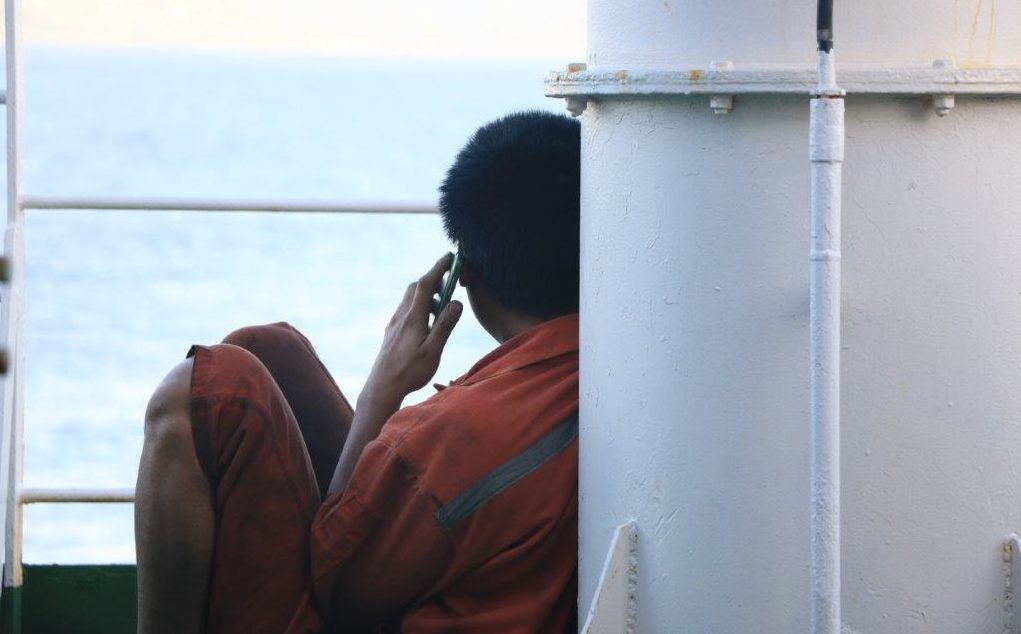
Despite growing regulatory attention, many seafarers still hesitate to report bullying and harassment at sea because they believe nothing will change. Captain Charles Chong of Britannia P&I Club argues that tackling the problem requires trauma-informed leadership, visible follow-up and a shipboard culture where crew trust their voices will be heard. During a recent webinar hosted by Britannia P&I Club on ‘Unlocking the Drivers of Seafarer Mental Wellbeing’, a quick poll revealed a striking insight: most attendees believed that seafarers hesitate to report harassment or bullying onboard because they fear being ignored. Even when crew members know how to report incidents, many feel that nothing will change, leaving them reluctant to speak up. Recent data from Sailors’ Society (2025) indicates that one in five seafarers experiences some form of psychological harassment yet research from a Danish fleet study shows that while 62% of seafarers knew the reporting process, only 24% felt their concerns would be addressed. Encouragingly, the International Maritime Organization (IMO) and the International Labour Organization (ILO) are strengthening their focus on violence and harassment, including bullying, sexual harassment and assault, recognising these as issues that must be addressed within maritime safety and labour frameworks. This is a welcome development and signals an important shift: psychological safety is increasingly understood as integral to operational safety and compliance, not separate from it. Nevertheless, regulation alone cannot change seafarers’ lived experience onboard. Hierarchical structures, isolated work environments, and prolonged exposure to stressful conditions reinforce silence and discourage reporting, especially when past complaints have not been visibly addressed. Over time, crew may withdraw, remain silent, or normalise harmful behaviours as a form of self-protection. Addressing harassment effectively therefore requires more than procedures; it calls for trauma-informed leadership and a culture that makes reporting safe, credible and meaningful. Trauma affects seafarers in ways that are often invisible yet profound. It may manifest as sleep disturbances, irritability, difficulties in concentration or decreased performance. As explained in the webinar by Dr Joanna-Eugenia Bakouni, learning and development manager at Maersk Training, trauma is not defined solely by the severity of an event but by how the individual experiences it. Unexpected incidents, lack of preparation, absence of support, and cultural or personal histories can all amplify impact. The physical and psychological effects are real, including chronic fatigue, headaches, weakened immunity, trust issues and difficulty forming emotional connections. Behavioural changes such as withdrawal, over-compliance or social avoidance can be early warning signs, yet they are frequently misinterpreted as performance problems or attitude issues rather than indicators of distress. The webinar emphasised the importance of a trauma-informed approach, beginning with recognising the realities of the maritime environment and understanding its impact on crew wellbeing. Identifying patterns of stress, even subtle ones, is critical for timely intervention. Responding through well-structured policies, supportive first-response procedures and clear communication helps ensure that crew feel psychologically safe. Small, deliberate actions, such as providing concise reporting gui
Fear of silence keeps harassment hidden at sea
Splash247
Read full article at Splash247 →
Opens Splash247 in a new tab