news Dry bulk Markets & trade Splash247
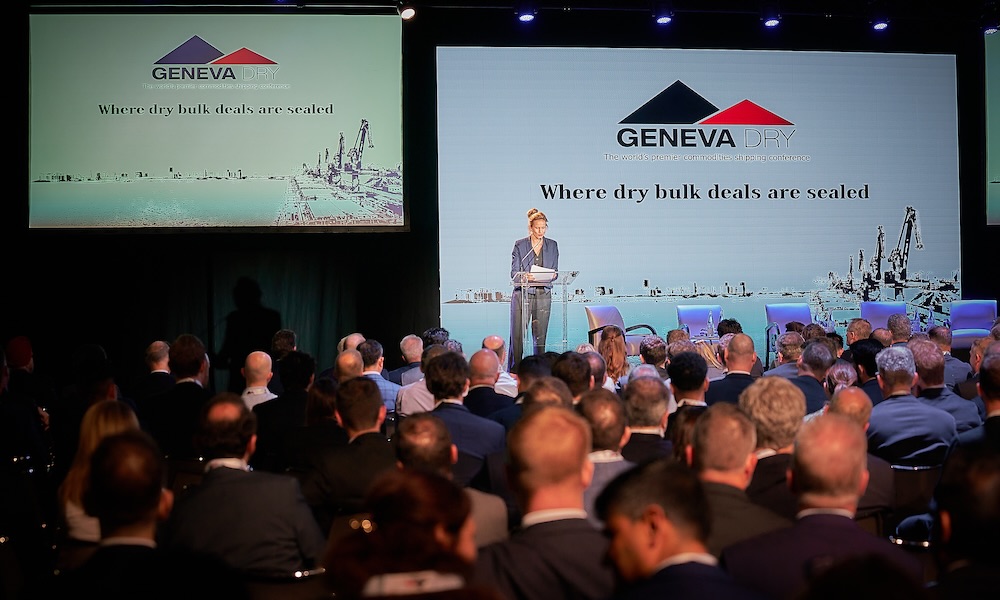
Sagitta Marine managing director Thomas Zaidman argues why smaller shipowners are a necessary force – not a risk – in the market. The recent Geneva Dry conference saw shipowners converge in huge numbers to listen to panels on many matters of interest to the market across two days. Among them, the risk management workshop raised interesting points about operational risk in dry bulk shipping. However, the characterisation by some of the speakers of smaller owners as inherently riskier or problematic – and predictions of their imminent demise – overlooks the essential role they play in today’s fragmented, performance-driven market. At Sagitta Marine, we believe operational scale is no substitute for operational discipline. In particular we work to counter the false equivalency between smaller company size and higher risk. The assertion that smaller owners or operators are automatically higher risk than larger ones ignores the reality that risk is a function of governance, transparency and operational rigour, not the dwt under management. For smaller operators, reputational risk is existential. It’s for this reason that we hold ourselves to the highest possible standards. As was noted in the workshop, large operators can absorb the results of bad decisions and carry on sailing because they are making money on another and will look to net off losses. We understand that one bad trade can undo years of credibility and as a result we judge ourselves on every business decision, time after time. There are no suitcases full of cash changing hands on a Friday afternoon. We choose our partners as carefully as our clients choose us. It’s true that to be a successful small operator in dry bulk you have to punch above your weight. Over eight years of operation, 400+ voyages carrying 12m tons of cargo, we can demonstrate our credentials – and we are called upon to do this every day. This is despite – or perhaps because – we practice risk control and risk management in our daily operations. We rely on strict vessel vetting, P&I cover that understands our business, use of the futures markets to hedge freight and fuel risk. Managed conservatively, against a physical book of business rather than for speculation, none of these instruments increases risk; indeed, they act to mitigate it. It’s perhaps true that a small operator like Sagitta Marine is exposed to risk in some senses. We don’t have the structure to offset losses or hide them a drawer. For us there’s simply no-where to hide, so we don’t try to. But as a small operator, our lean structure means we are necessarily close to our clients. That gives us short reporting lines and enables a more proactive attitude to opportunities and quicker response times when questions come up. It is an oversimplification to equate a trend towards market consolidation with increased security for counterparties. In today’s market marked by trade disruption, tariffs and geopolitics, agility, niche specialisation and hands-on management are not weaknesses. Rather they are strengths. Many cargo interests today prefer to work with entrepreneurial operators who can tailor solutions and stay close to the trade rather than put their business into a conveyor belt where control and flexibility are reduced, not increased. The biggest mistake would be to take anything for granted, especially in markets as unpredictable as we find them today. We are open to the conversation around how to de-risk shipping – and whether there is a wa
Resilience, accountability, agility: the case for small independent dry bulk operators

Splash247
Read full article at Splash247 →
Opens Splash247 in a new tab