news Tanker Geopolitical riskCompliance & regulation Marine Insight
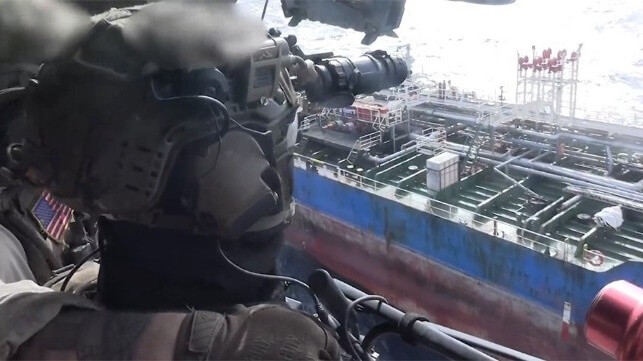
Image for representation purposes only The United States is trying to bring back normal shipping movement through the Strait of Hormuz after vessel traffic slowed in the past few weeks due to rising tensions in the region. A State Department cable dated April 28 shows that the US government has proposed a new international effort called the Maritime Freedom Construct (MFC). The plan has been approved by US Secretary of State Marco Rubio and is being developed jointly by the State Department and the Pentagon. The idea is to get other countries involved in keeping the waterway secure and ensuring ships can pass safely. The US has asked its embassies to speak with partner nations and encourage them to take part in the initiative. These discussions are expected to take place by May 1, but the outreach will not include countries like Russia, China, Belarus and Cuba. The coalition is expected to work through different forms of support, including sharing information, coordinating diplomatically, enforcing sanctions and possibly contributing naval presence. The US has said countries can participate at any level and do not need to shift resources from their current maritime commitments. Under the proposal, the State Department will act as the main link between governments and the shipping industry. At the same time, the Pentagon will manage real-time coordination of ship movements from its CENTCOM headquarters in Florida and stay in direct contact with vessels moving through the strait. In the cable, US officials described the plan as an early step towards building a long-term maritime security system for the Middle East. The focus is on keeping key sea routes open, protecting important infrastructure and supporting global energy flows. President Donald Trump had recently said the Strait of Hormuz was “completely open and ready for business.” In reality, shipping activity has gone down instead of improving. The Strait of Hormuz is one of the world’s most important shipping routes, carrying about one-fifth of global oil and gas. Traffic has slowed sharply since February 28, when the US and Israel carried out strikes on Iran, followed by Iran blocking the waterway. The situation remains unresolved, with no clear progress in easing tensions. At the same time, the US has been increasing pressure on Iran’s oil exports, including actions aimed at limiting shipments from its ports. References: Reuters, moneycontrol Disclaimer : The information on this website is for general purposes only. While efforts are made to ensure accuracy, we make no warranties of any kind regarding completeness, reliability, or suitability. Any reliance you place on such information is at your own risk. We are not liable for any loss or damage arising from the use of this website. Related Posts IMO Honours Japanese Maritime Professor Momoko Kitada With Gender Equality Award 2026 Supertanker Carrying Iraqi Crude To Vietnam Resumes Voyage After US Navy Hold-Up Near Hormuz European Countries Begin Talks With Iran Over Strait Of Hormuz Ship Passage China’s AI-Controlled USVs Could Strengthen Maritime Surveillance In Disputed Waters Related Posts IMO Honours Japanese Maritime Professor Momoko Kitada With Gender Equality Award 2026 Supertanker Carrying Iraqi Crude To Vietnam Resumes Voyage After US Navy Hold-Up Near Hormuz European Countries Begin Talks With Iran Over Strait Of Hormuz Ship Passage Disclaimer : The information on this website is for general purposes only. While effor
U.S. Seeks Allied Support To Form International Coalition To Restore Shipping In Strait Of Hormuz

Marine Insight
Read full article at Marine Insight →
Opens Marine Insight in a new tab