regulation Dry bulk Compliance & regulationCargo risk Marine Insight
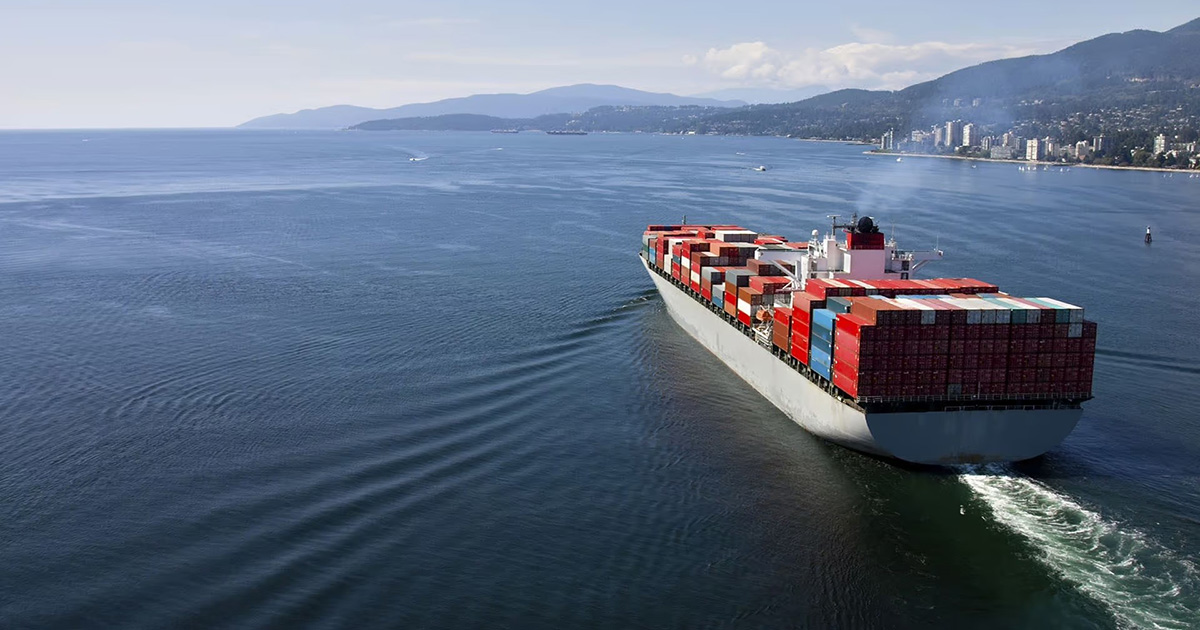
IMSBC Code or the International Maritime Solid Bulk Cargoes Code Transportation of solid bulk cargo on bulk carriers involves many risks that need to be managed to ensure the safety of the vessel and the crew on high seas. Some of these risks include reduced ship stability, capsizing due to cargo liquefaction, explosions or fire due to chemical hazards, or damage to the structure of the ship as a result of improper loading operations. The legislation regarding the safe carriage of solid bulk cargo, the IMSBC Code or the International Maritime Solid Bulk Cargoes Code, became mandatory on January 1, 2011, under the International Convention for the Safety of Life At Sea, commonly called the SOLAS Convention. The regulations can be found in Chapters VI and VII. The IMSBC Code also applies to seagoing ships under 500gt. Image for representation purposes only Importance of IMSBC Code The IMSBC Code replaces the Code of Safe Practice for Solid Bulk Cargoes or BC Code. The former was laid down to ensure that solid bulk cargoes are safely shipped by providing detailed information and instructions on the adequate procedures which must be followed during loading, trimming, carrying and unloading of solid bulk cargo when it is shipped from one place to another. It also outlines the dangers or risks associated with the shipment of some types of solid bulk cargo. The IMSBC Code does not include the carriage of bulk grain which is specified under the International Code for the Safe Carriage of Grain in Bulk (International Grain Code, 1991). The IMSBC Code is amended every two years. The 2015 and 2017 Amendments include additional safeguards for cargoes that could liquefy and whose TML or Transportable Moisture Limit should not be exceeded. The code was updated in June 2023 by the 07-23 amendments that will become mandatory on January 1, 2025. The amendments include a list of new cargoes scheduled in the Code. Cargo Categories in IMSBC Code In the IMSBC Code, cargoes are categorised into 3 groups. Group A: This includes cargoes that might liquefy (become liquid) if shipped at a moisture content which exceeds their Transportable Moisture Limit or TML. For instance, water and oil can cause cargo shifting. Group B: This category includes cargo which might pose a chemical hazard that could lead to a dangerous situation on the vessel. For instance, self-heating, toxicity, oxygen extraction and dust explosion. Cargoes in this group are further subdivided into- Dangerous goods classified in the IMDG Code that do not present a hazard when shipped in bulk. Materials hazardous only in bulk or MHB which include goods that may present chemical hazards when transported in bulk. These include hazards other than those listed in the IMDG Code. Dangerous goods classified under the IMDG Code that may also present additional MHB hazards. IMSBC Code’s Appendix 1 includes detailed characteristics, hazards, stowage and segregation and requirements and precautions for every solid bulk cargo. Group C: It includes hazardous cargo not classified under Group A or B. Group A&B: This includes cargoes having a combination of hazards from both groups A and B. Shippers must complete a cargo declaration form to specify the type of cargo being transported. A few types of cargo included in the Code include coal, ores such as bauxite, sulphur, direct reduced iron, fertilisers like sugar, wood pellets and ammonium nitrate. Certificate of Testing Per the IMSBC Code, a few substances requir
What is IMSBC Code?

Marine Insight
Read full article at Marine Insight →
Opens Marine Insight in a new tab