news LNG / LPG Geopolitical riskMarkets & trade Hellenic Shipping News
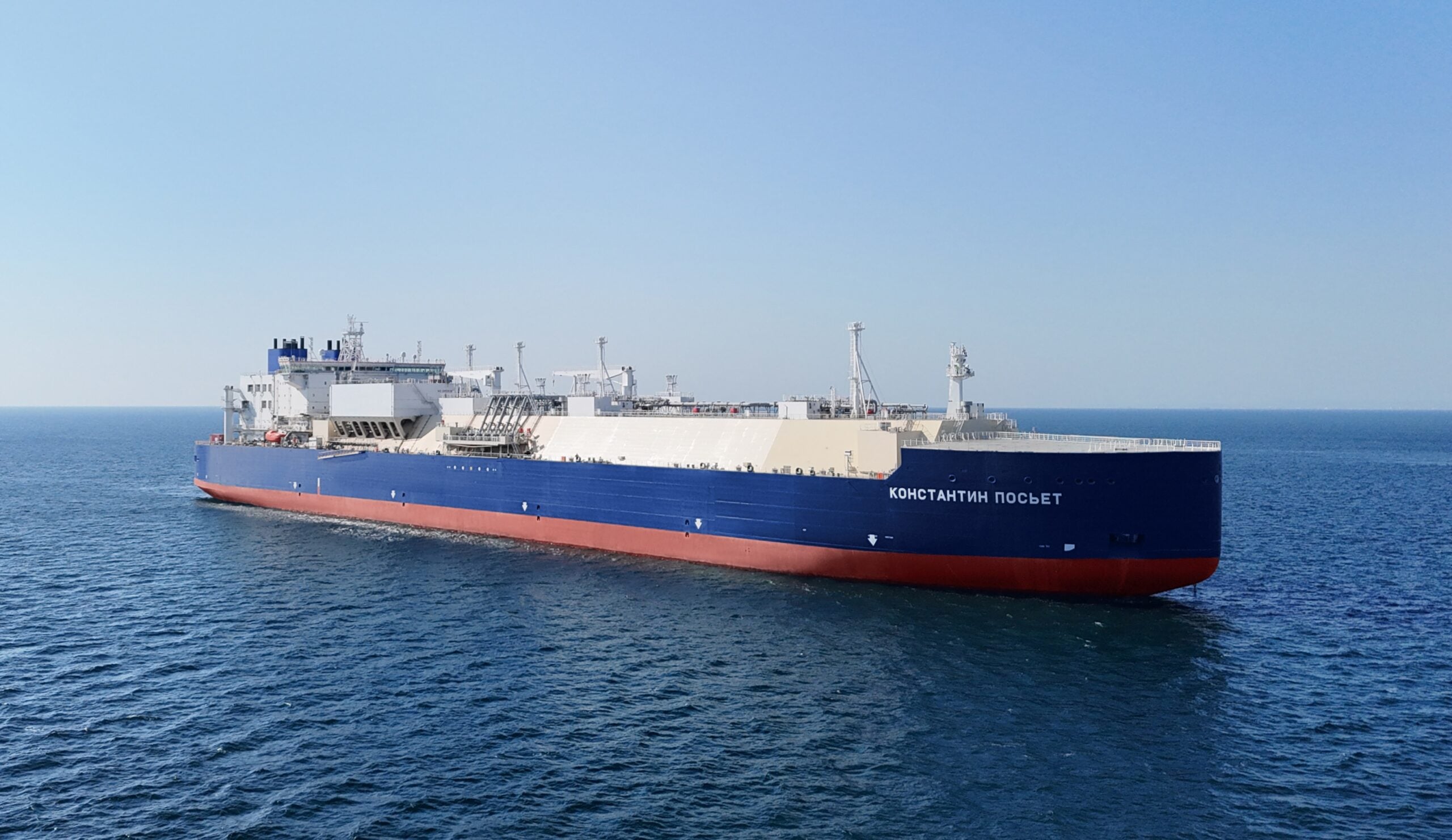
LNG supply crunch worsening for Singapore and Asia, as signalled by string of force majeure notices in General Energy News 16/03/2026 A string of force majeure notices issued by liquefied natural gas (LNG) suppliers is bringing closer the day when Singapore will have to take measures to stabilise supply of the fuel that powers nearly half of the country’s electricity generation. The latest notices informing customers in Asia of unforeseeable circumstances that prevent the supplier from fulfilling its contract come from global energy firms such as Shell, one of Singapore’s licensed importers of LNG, according to reports by Bloomberg and Reuters. Industry sources told The Straits Times that the sudden development may take time for firms to recalibrate, such as to sort out logistical issues. This will inevitably affect LNG supply to Asia, including Singapore. Shell’s force majeure follows QatarEnergy’s decision last week to suspend operations at its Ras Laffan LNG plant – the world’s biggest LNG export facility – after it came under attack amid the ongoing conflict in the Middle East. Qatar’s coastline is about a couple of hundred kilometres from Iran, which has been fighting against a joint US-Israel military campaign since Feb 28. Hostilities in the region have effectively closed the Strait of Hormuz waterway that connects the Persian Gulf to the Indian Ocean and handles a fifth of the world’s oil and 19 per cent of LNG supplies. Shell has an equity partnership with QatarEnergy in the Ras Laffan LNG plant. But the company’s involvement with supplies from Qatar got deeper after it bought Singapore’s Pavilion Energy in April 2025. Pavilion, previously owned by Temasek, had a 10-year sale and purchase agreement with Qatar for the supply of up to 1.8 million tonnes of LNG a year to Singapore starting in 2023. Singapore imported about 6.7 million tonnes of LNG in 2024, according to data on Singapore’s Energy Market Authority website. That makes Pavilion’s supplies from Qatar around 25 per cent of total imports. While the share of Qatari LNG cargoes in the country’s total imports may have declined, most analysts believe between 15 per cent and 20 per cent of Singapore’s LNG imports come from the Middle East. Highlighting the importance of supplies from Qatar, an importer told ST on condition of anonymity: “This is an unprecedented, system-wide supply disruption that has taken about 20 per cent of global LNG supply out of the market. “Such a sudden and dramatic drop in global LNG supply inevitably impacts availability. Under these exceptionally challenging conditions for the industry, we have been working closely with customers on mitigations, future supply options and ongoing support.” According to energy research firm Wood Mackenzie, the closure of Hormuz has removed 1.5 million tonnes a week from global LNG supply. That is equivalent to 19 per cent of global exports. With around 90 per cent of LNG exports from Qatar and the United Arab Emirates destined for Asia, the region is most exposed to the disruption, the research firm said. Industry sources also pointed out that even if there are spare supplies at an alternative destination, logistical issues have to be sorted out first. Shipping analysis service Lloyd’s List estimates that as at Match 11, 17 LNG carriers are trapped in the Persian Gulf. Some empty LNG carriers contracted to lift cargoes from Gulf states are also moored just outside the Hormuz. Meanwhile, Asian countries are scrambli
LNG supply crunch worsening for Singapore and Asia, as signalled by string of force majeure notices
Hellenic Shipping News
Read full article at Hellenic Shipping News →
Opens Hellenic Shipping News in a new tab