news Tanker Geopolitical risk BIMCO
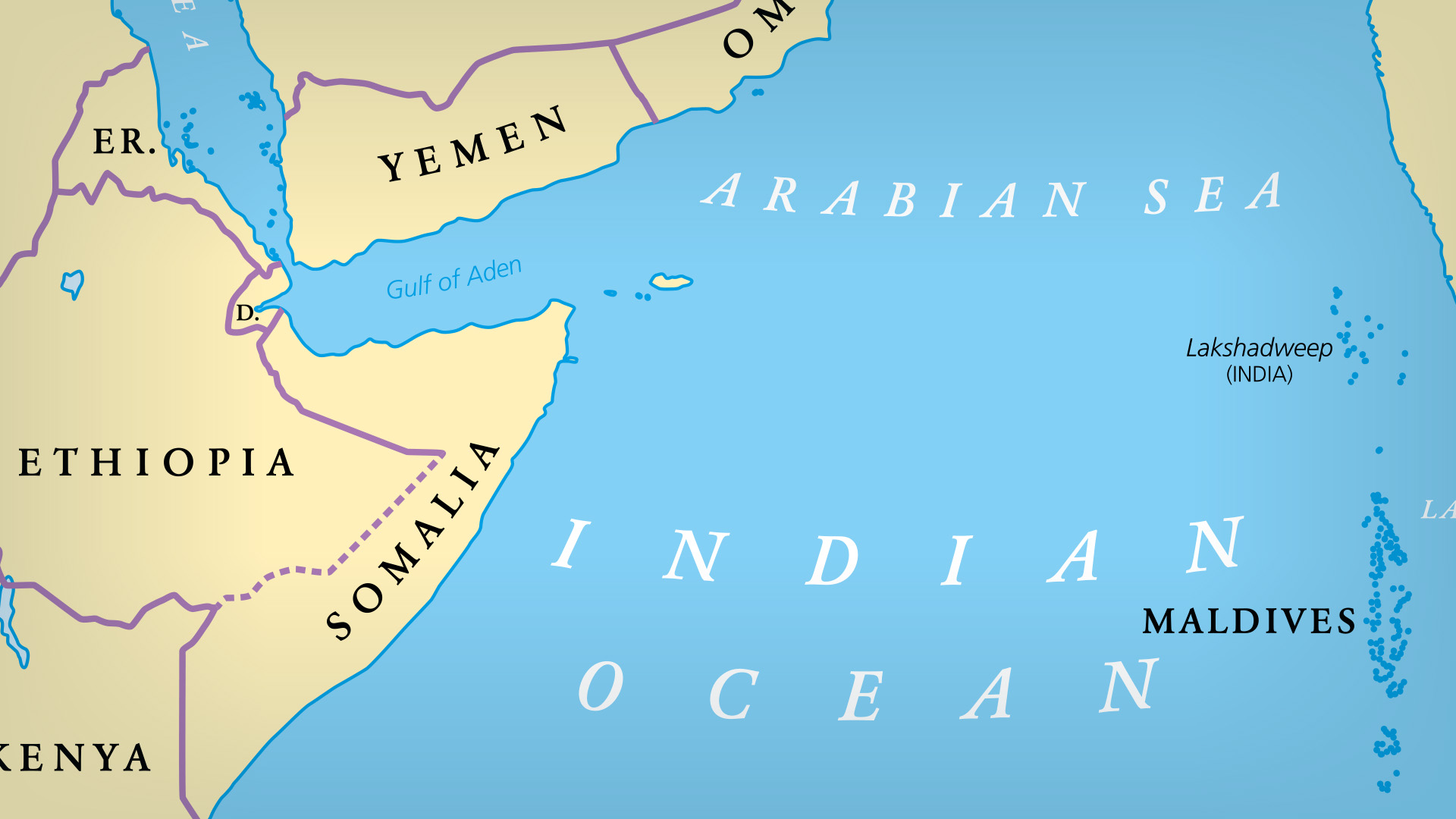
In a recent meeting with representatives from EU Naval Forces, it was noted that 2026 has seen an uptick in Somali piracy, with seven hijacks recorded involving cargo dhows, fishing dhows, and tankers. As of early June, three ships and their crews are anchored off the Somali coast and are being held for ransom.These hijacks follow a period in which naval assets in the Red Sea, Gulf of Aden, and Somali Basin have been more stretched than usual due to increased activity linked to the war against Iran. Fewer warships in the area means less deterrence. The incidents follow a familiar pattern, with dhows being used as motherships to extend the range of pirate action groups further out to sea. The recent attacks have taken place up to 250 nautical miles from the Somali coast as well as in nearshore areas. The increase in piracy indicates that criminal groups in Somalia have strengthened their infrastructure and reinforced ties with local communities and clan structures, enabling them to hold ships and crews for ransom. There are also indications that Somali pirates are developing some level of connection with al‑Shabaab and the Houthis, although the extent of any coordination or cooperation remains unclear. This resurgence is an unwelcome reminder of the piracy crisis from the mid‑2000s to the early 2010s, when numerous ships and crews were hijacked and ransomed for millions of dollars.For the shipping industry, these developments highlight the continued importance of Best Management Practices for Maritime Security (BMP MS). Alongside the Maritime Industry Security Threat Overviews (MISTO), BMP MS remains a cornerstone source of guidance for managing piracy risks. Military authorities currently assess that piracy activity remains possible across the Somali coast and the Somali Basin. However, the overall likelihood may be temporarily reduced due to the strengthening southwest monsoon from June to August, which often significantly degrades offshore conditions and limits pi
Somali piracy structures are strengthening
BIMCO
Read full article at BIMCO →
Opens BIMCO in a new tab