casualty_report Safety & casualtyCompliance & regulation Splash247
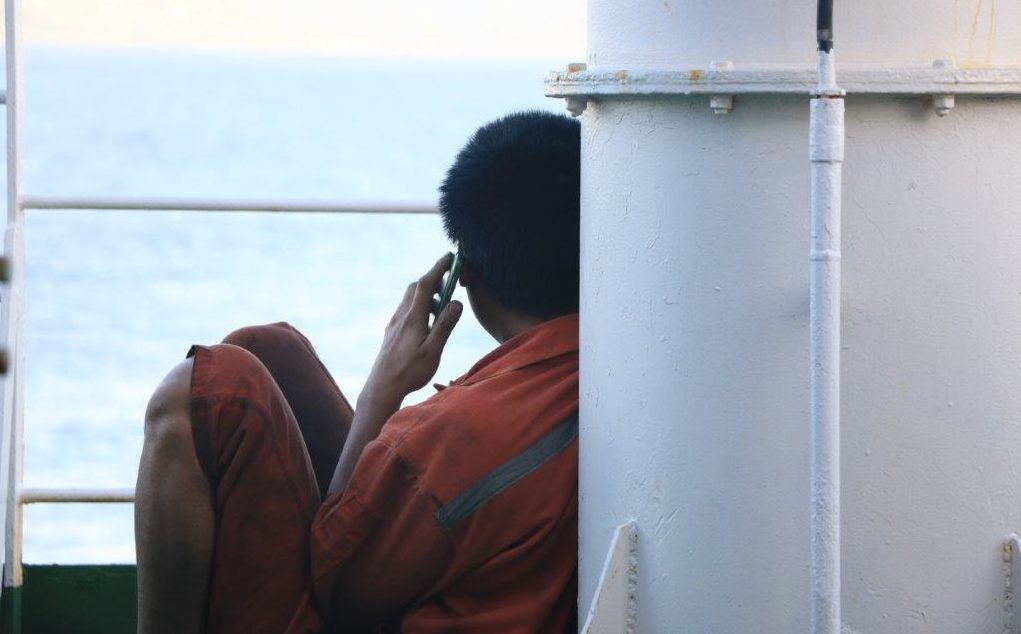
The International Transport Workers Federation (ITF) has released its figures for the numbers of vessels abandoned in 2023 which show a worrying 11% increase from the previous year. Seafarers are deemed to have been abandoned if the shipowner fails to cover the cost of a seafarer’s repatriation; or has left them without the necessary maintenance and support; or has otherwise unilaterally severed ties with them, including their failure to pay the seafarers’ contractual wages for a period of at least two months. The ITF reported 129 of the 132 abandonment cases in 2023. Owed wages from these 129 cases are in excess of $12.1m. 1,676 seafarers contacted ITF from abandoned vessels. Indian seafarers were the most abandoned, with more than 400 cases. The ITF has received more than $10.9m in owed wages from 60 of these vessels so far. The final figure will exceed $12.1m as cases take time to resolve and as other seafarers come forward, thereby increasing the amount of recoverable wages. Steve Trowsdale, ITF inspectorate coordinator, said “The ongoing rise in the number of seafarer abandonments is unacceptable. It is a consequence of an industry where the seafarer can be a throw-away commodity. Seafarers and their families pay the ultimate price for the greed and non-compliance of shipowners, enduring the inhuman consequences of a system that compromises their well-being, dignity and basic human rights.” Guidelines on how to deal with seafarer abandonment were adopted by a joint International Labour Organization (ILO)/International Maritime Organization (IMO) tripartite working group in late 2022, although the 11% rise in crew abandonment cases in the intervening year shows how intractable the problem is. The guidelines set out procedures to be taken by states if a shipowner fails to fulfil their obligations to arrange and cover the cost of repatriation of seafarers, outstanding wages and other contracted entitlements, and the provision of essential needs, including medical care. In these circumstances seafarers are then considered abandoned. These procedures include developing, in cooperation with seafarers’ and shipowners’ organisations, national standard operating procedures (SOPs) to explicitly define the liabilities and obligations of the competent authority and the roles to be played by the various national stakeholders. These stakeholders include the relevant national seafarers’ welfare boards, shipping agencies, seafarers’ and shipowners’ organisations, seafarer welfare organisations, seafarer recruitment and placement services, and others. The Abandoned Seafarer Log, a quarterly bulletin that maps seafarer abandonment around the world, highlights the hot spots around the world with the Middle East and specifically the UAE very much to the fore. googletag.cmd.push(function() { googletag.display('div-gpt-ad-1_95_0_1_2'); }); TagsSeafarers
Ship abandonment cases leapt 11% last year

Splash247
Read full article at Splash247 →
Opens Splash247 in a new tab