news Operational risk Splash247
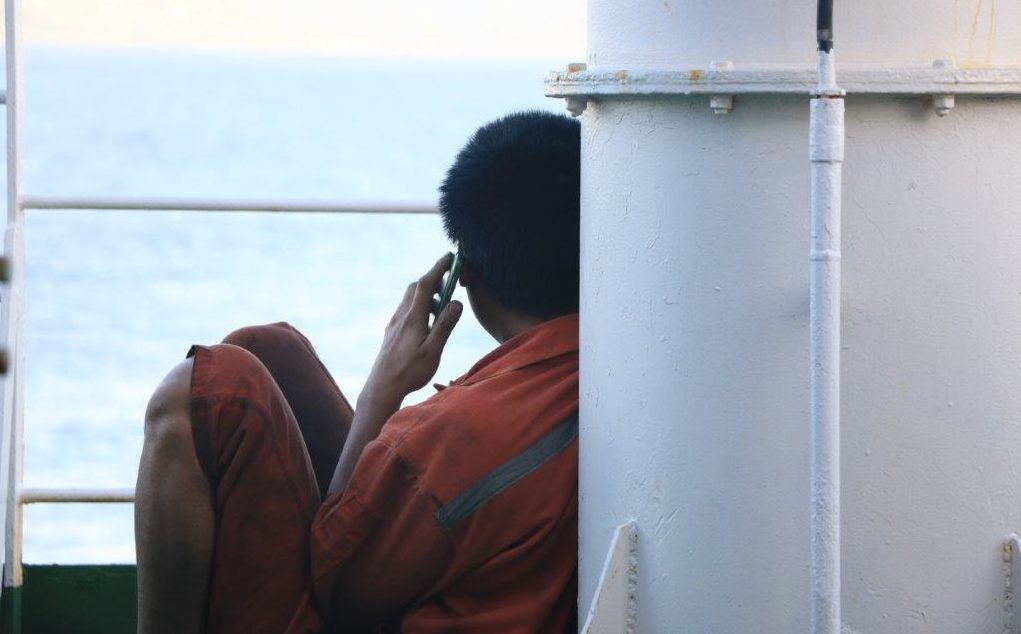
The Sailors’ Society has released its fourth annual Cadet Report, titled The first digital seafarer generation, painting a complex portrait of a workforce that is more connected but also more vulnerable than those who came before. Drawing on data from more than 2,600 cadets, trainees, and ratings across 30 countries, the report warns that the maritime industry’s future leaders are navigating psychological pressures that no previous generation has faced. While reliable internet is pivotal for mental health – with 70%of seafarers stating onboard internet has a positive impact on wellbeing – it has become a double-edged sword. The report from the charity highlights that “digital addiction” is emerging strongly among young seafarers. In Southeast Asia and Europe, where screen time is highest, approximately 70 to 75% of respondents report feeling some level of addiction to their devices. The psychological toll of this connectivity is regional. In China and Southeast Asia, roughly 80% of cadets feel significant pressure to “appear happy or successful” on social media. Johan Smith, head of wellness at Sailors’ Society, noted that while social media provides belonging, “unmanaged pressures can compound isolation and undermine wellbeing”. One cadet respondent captured the sentiment: “If we use social media and forget we have prior commitments – that’s addiction and that’s not good”. Perhaps the most troubling findings involve safety and harassment. While legal literacy is high in some regions – 63% of Indian subcontinent cadets say they know their rights “very well” – trust in the systems meant to protect them is “very fragile”. The report identifies a “generational gap” where old traditions of toughness collide with new values of inclusivity. For many, the “retaliation culture” is a lived reality. In Europe, only 15% of cadets feel they know their rights very well, and the region shows the highest level of cynicism regarding reporting. “I’ve heard when you report it, it’s brushed off as ship-life… so why bother?” one cadet remarked. Another participant stated: “It seems outrageous to me that cases of bullying and harassment at sea are not treated as seriously as they are on land”. In response to these pressures, the report finds that the new generation is moving away from formal welfare channels in favour of their peers. Peer support groups are now a “practical and preferred route” for mental health assistance. Across all regions, seafarers would use YouTube, music, or social media as their first port of call if feeling mentally unwell. To meet this need, the Sailors’ Society has expanded its Sea Mate program, which trains crew members as wellness officers to provide psychological support while at sea. The report concludes with 10 strategic recommendations for the industry to shift digital life from a source of pressure to a source of connection. Key suggestions include: audit connectivity policies to prioritize “connection windows” for family contact over unlimited, high-stress scrolling; train senior officers in digital-era leadership to recognise signs of digital stress and anxiety in their subordinates; normalise realistic communication by discouraging “perfect image” narratives in corporate recruitment and messaging; and integrate digital life into fatigue management, acknowledging that late-night scrolling contributes to sleep debt and operational risk. Ultimately, the report argues that the future of safe shipping will be defined by how
Sailors’ Society calls for culture change to protect digital native cadets

Splash247
Read full article at Splash247 →
Opens Splash247 in a new tab