market_report Geopolitical riskMarkets & trade Splash247
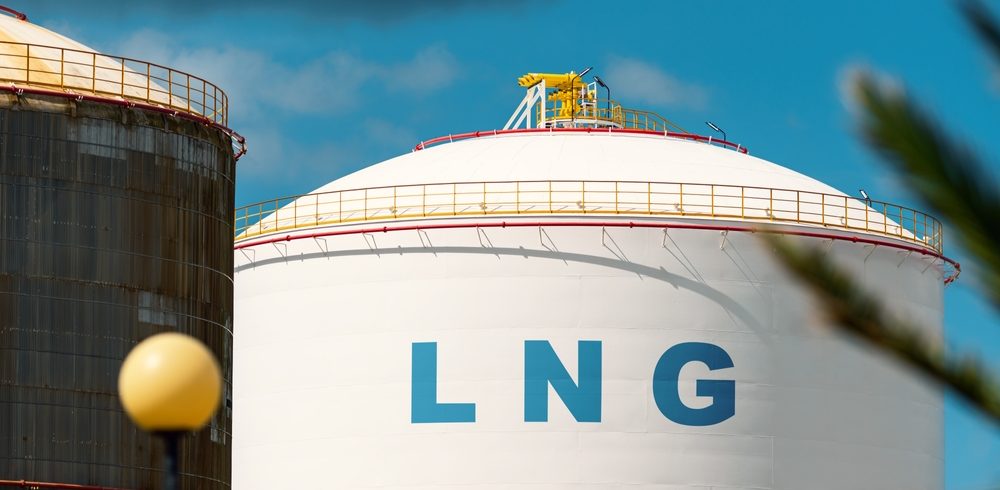
War in the Middle East has resulted in damage and shutdowns affecting LNG trains, refineries, fuel terminals, and critical gas-to-liquids facilities across the region. According to Rystad Energy’s estimates, energy infrastructure repair and restoration costs to date could reach at least $25bn and are expected to rise further. In Qatar’s Ras Laffan Industrial City, the destruction of LNG trains S4 and S6 has triggered force majeure and a 17% capacity reduction, equivalent to about 12.8 mtpa. Rystad believes that a full recovery will take up to five years. This is because the large-frame gas turbines required to power LNG main refrigeration compressors are supplied by only three original equipment manufacturers globally, all of which entered 2026 with production backlogs of around two to four years, driven by demand from data centre electrification and coal plant retirements. “The Gulf region’s recovery will be defined less by financial capital and more by structural constraints. While some assets may be restored within months, others could remain offline for years,” said Audun Martinsen, head of supply chain research at Rystad Energy. Repair intensity assessment (Source: Rystad) In Bahrain, the BAPCO Sitra Refinery was struck twice, resulting in confirmed damage to two crude distillation units and a tank farm, with force majeure declared across group operations. Here, the constraint is not equipment shortages or sanctions, but the timing of the damage relative to the asset’s investment cycle. The facility had just reached mechanical completion under its $7bn modernisation program in December last year, with engineering, procurement and construction (EPC) contractors still onsite finalising ramp-up obligations when the attacks occurred. There were also moderate-to-minor disruptions in other countries, including the UAE, Kuwait, Iraq and Saudi Arabia. Across all impacted facilities, the factor that most consistently shapes recovery trajectories is the density and proximity of the domestic EPC ecosystem surrounding each asset – an often-underestimated variable in conventional damage assessments. The speed of recovery in the region will depend on execution capacity and the timing of capital deployment as repair spending ramps up. Operators are likely to prioritise restoring existing fields instead of new developments, creating demand for EPC contractors and OEMs, especially those with regional experience and existing agreements with national oil companies. According to Rystad, near-term work will most likely focus on inspection, engineering and site preparation, followed by equipment replacement and construction as procurement constraints ease. In Iran, continued sanctions would limit access to Western contractors and technology, leaving domestic and East Asian players to capture most recovery-related activity. googletag.cmd.push(function() { googletag.display('div-gpt-ad-1_95_0_1_2'); }); TagsIran Kuwait Qatar Saudi Arabia United Arab Emirates
Middle East war damage to energy assets mounts to $25bn
Splash247
Read full article at Splash247 →
Opens Splash247 in a new tab