market_report Tanker Markets & trade Splash247
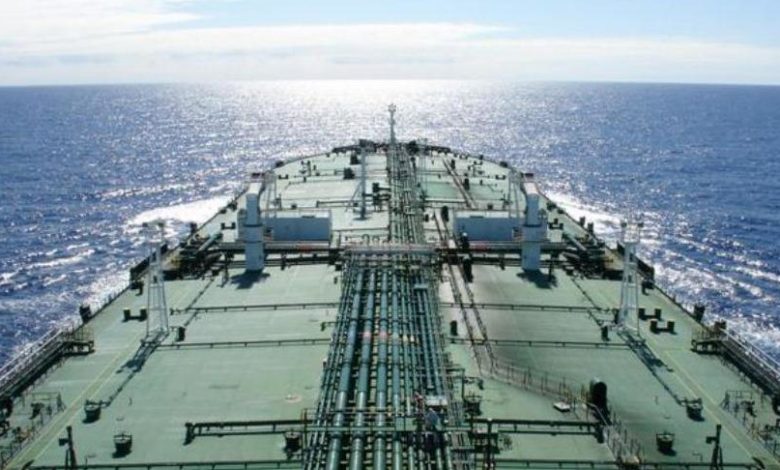
Not many people ever get to physically see a VLCC, let alone go onboard one. Fly into Singapore and you may well catch a glimpse of a few of these leviathans of the sea at anchor. The sheer scale of what are the largest moving objects ever built by mankind never fails to impress. It is therefore hardly surprising that within shipping, the supertanker has a special place in the hearts of so many industry participants. Most shipbrokers can proudly recall the first time they fixed or sold a ‘VL’ and as we approach the 60th anniversary of the dawn of the VLCC era, any owner who has been engaged in the sector will have a host of stories of their experience of these big beasts – both good and bad. 2026 has kicked off with one of the most active periods in the large tanker market on record. Not only are rates well into six figures, but a remarkable number of transactions have taken place in both the secondhand and newbuilding market. Scroll through the weekly market reports we all receive and the past couple of months have been dominated by VLCC activity. As is always the case, there are only a handful of players involved, but the sheer scale of activity and the potential to prompt a structural change in the large tanker market is there for all to see. We are approaching the 60th anniversary of the dawn of the VLCC era The dominant player in this unprecedented level of market activity has been South Korean group Sinokor. Ga-Hyun Chung, who leads Sinokor, may not currently be as much of a household name as the tanker titans of old such as D.K.Ludwig, Y.K.Pao, C.Y.Tung or the ‘Golden Greeks’ who dominated the large tanker space at the dawn of the supertanker era (and then faced the train wreck when the market collapsed), but his achievements so far this year have catapulted him to the forefront of the tanker industry. As is always the case, there is plenty of hearsay and confusing information – some reports claim Sinokor now has a 24% share of spot market VLCC tonnage, whilst others claim that they have amassed 34% of the tradable compliant fleet. Inevitably when one company is making a big move in a particular sector, whether it be acquisitions or a big chartering programme, any deal will get attributed to them even if other players are quietly going about their business elsewhere. Whichever way you skin it, it’s an impressive tally and apparently, there is still plenty more to come in what is already being called ‘The Sinokor Era’. What will the longer term impact across the crude market be? With spot rates now at five-year highs, tanker companies are going to be delivering impressive earnings and whether they are paid out as dividends or reinvested in newbuildings will be a key to the longer term health of the market. Earnings at today’s levels also support higher asset values, so expect further increases in secondhand prices, which may tempt more owners to cash in if they are not tempted to reap the rewards of actually trading their ships. How much new equity will be attracted to the industry as a result of this bonanza and will new entrants heed the lessons of the past? Even at today’s levels, transporting oil by sea remains a relatively cheap operation and even with the current consolidation of the large tanker market, charterers usually still have a broad choice of shipowners to work with, even if they have to pay a bit more then they want. We are therefore unlikely to see many end users deciding that building up their own fleet is a sens
Why VLCCs are having another day in the sun

Splash247
Read full article at Splash247 →
Opens Splash247 in a new tab