pi_circular Dry bulk Cargo riskSafety & casualty Britannia P&I
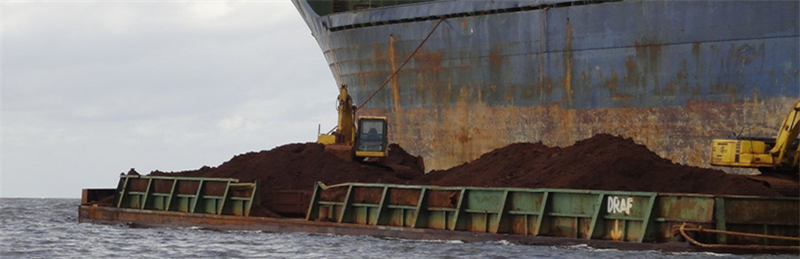
britanniapandi.com The Philippines is one of the largest exporters of nickel ore. Concerns have been voiced by various industry bodies regarding the reliability of cargo declarations, certificates of Transportable Moisture Limit (TML), and Moisture Content (MC), for nickel ore cargoes originating from the Philippines. The typhoon season, spanning from April to November, heightens the liquefaction risk in the waters of the Philippines and China (the usual destination for nickel cargo from the Philippines). This article aims to emphasise the risks associated with the liquefaction of nickel ore during seaborne transport, highlighting the need for vigilance among shipowners and masters. LOSS PREVENTION UPDATE NICKEL ORE LOADING IN THE PHILIPPINES – TYPHOON SEASON PRECAUTIONS 1 // MARCH 2024 UNDERSTANDING LIQUEFACTION IN NICKEL ORE Liquefaction of nickel ore is a longstanding issue in the shipping industry, especially when stored in wet conditions at loading ports. Liquefaction occurs when the MC in cargoes, such as nickel ore, is above the TML. Contributing factors include: • The ship’s motion- causing cargo compaction • Increased water pressure which reduces the friction between particles, decreasing the cargo’s shear strength. When the ship rolls, these factors can result in a significant shift of cargo within the hold, potentially leading to rapid capsizing. THE ROLE OF THE TYPHOON SEASON The ship’s rolling and pitching motions over extended periods, typical in the event of encountering a typhoon, heightens the risk of liquefaction for the nickel ore cargo, as previously explained. Loading ports in the Philippines typically leave nickel ore uncovered when stockpiled. Consequently, the cargo is prone to being wetter than usual during these times, and heavy rainfall between tests can significantly change the actual moisture content. BEST PRACTICES FOR SHIPOWNERS AND MASTERS To mitigate these risks, shipowners and masters are advised to follow the best practices: • Mandatory notification as per 2 011 and 2012 circulars from the Club • Verify cargo declaration, TML, and MC to ensure compliance with the requirements of the International Maritime Solid Bulk Cargoes (IMSBC) code • Ensure the MC is below the TML before loading • Confirm the functionality of the bilge system in cargo holds and cover bilge wells to prevent cargo ingress • Appoint local or independent surveyors to oversee loading, conduct independent cargo sample testing, and verify MC and TML • Visually inspect barges for excessive moisture during loading, reject unsatisfactory cargo conditions, and document the process by taking photographs • Utilise the ‘can test,’ a supplementary testing procedure to assess the potential for liquefaction as specified in Section 8.4.1 of the IMSBC Code. It’s important to note that the can test is not a substitute for laboratory tests. Even if samples pass the can test and remain dry, the MC of the material could still exceed the TML. If moisture is detected post-can test, suspend the loading of this cargo until additional analysis is conducted. Capture images and document the specifics of the can tests performed • Remain mindful of weather forecasts and cease loading during periods of adverse weather. Non-working cargo hatches should remain closed • Ensure the cargo is properly trimmed before departure • Monitor weather forecasts. If typhoons are expected for the duration of the planned passage, take appropriate action to avoid typhoons by large
Nickel Ore loading in the Philippines – Typhoon season Precautions
Britannia P&I
Read full article at Britannia P&I →
Opens Britannia P&I in a new tab