market_report Container Markets & trade Splash247
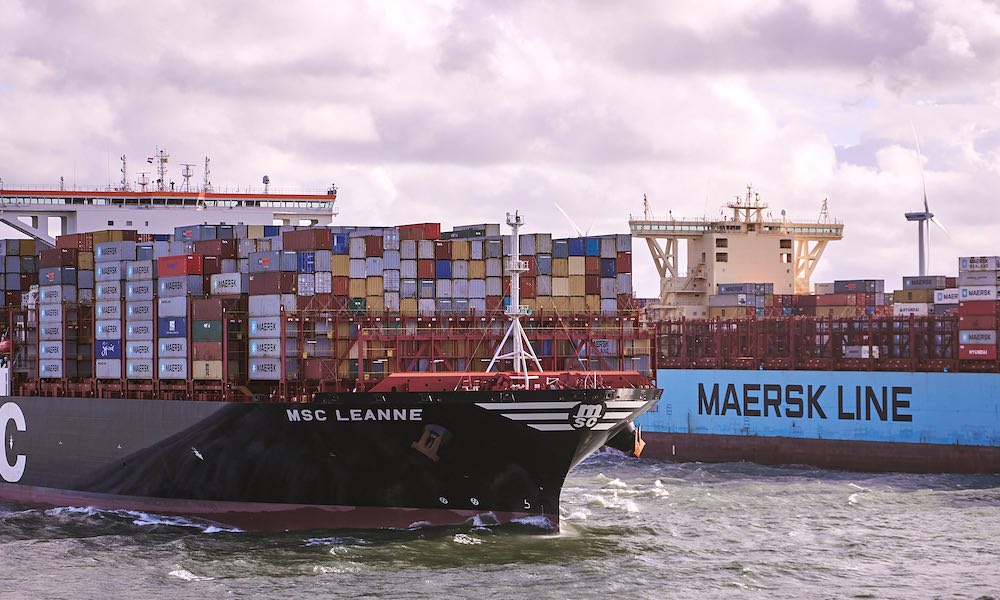
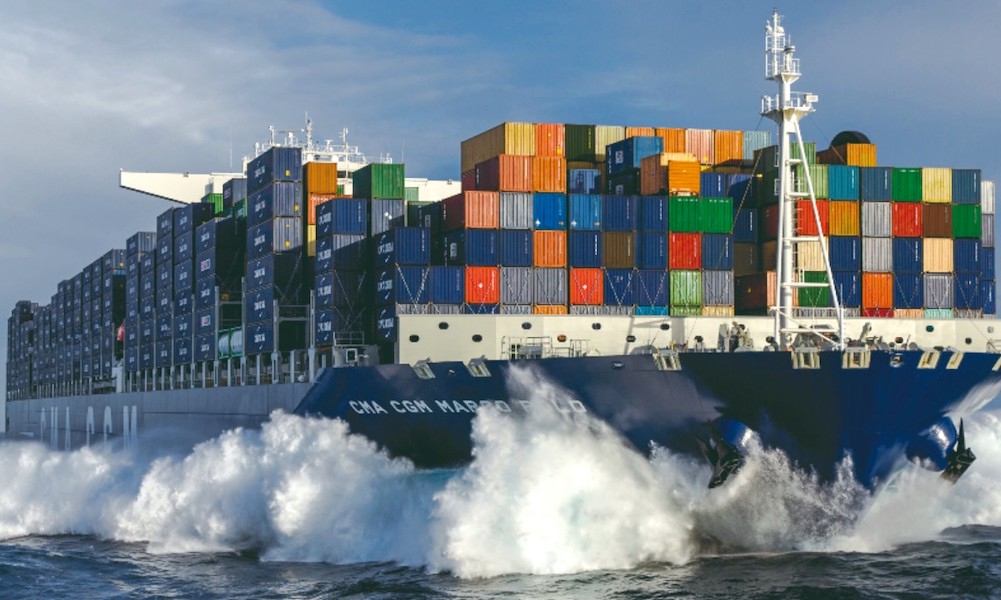
December data for US containerised imports show a 2% increase from November to 2.23m teu, though year-on-year imports were down 0.4% as the frontloading of cargo in the first part of 2025 starts to appear in the data. December’s imports from China were 706,000 teu, down 1% month-on-month and down 31% from their all time peak of 1.02m teu in July 2024. The US delayed some planned tariffs on furniture imports which provided some relief as these make up around 16% of imports from China. Erratic threats of tariffs on EU countries and Canada could disrupt trade patterns and data for January and February (and to be honest indefinitely while the US uses the threat of tariffs as a big stick in every negotiation and transaction it enters into). So far however the transpacific trade appears to be holding up. Freight rates are on the rise, adding about $500 per tonne in early January and maintaining that level of around $2,675 to the US west coast and $3,928 to the US east coast. These prices per feu were last seen in July last year during the peak season. A return to Suez canal transits is on the cards for 2026 according to executives and analysts at several institutions who indicate lower long term rates for shippers on the Far East to Europe route. Spot rates however started 2026 on a positive note, hitting $3,000 per feu as the year began, and beginning with a three for the first time since last August. As of January 21 they stood at $2,925, holding fairly steady even as Lunar New Year looms in the cargo booking calendar. Deglobalisation is leading to a less efficient global trade system involving more sea miles for containerised goods Freight from Asia to North Europe has fallen 1% in January so far from $461 to $457 per feu, while a shortage of ships for period charter to operate these services has led to negotiations opening on ships not due for delivery until 2027. Liners continue to order the largest ships available. There are now 203 megamaxes of over 18,000 teu on the water, with another 175 on order. With scrapping likely to be zero for these modern monsters, fleet growth could be 6% this year but 20% in 2027 and 30% in 2028. The transatlantic freight market has so far this month withstood all the geopolitical noise and is largely unmoved. Freight from the US to Europe kicked off 2026 at $461 per feu and by January 21 it was barely changed at $457. On the reverse haul, rates were $1,551 on January 1 and $1,546 on January 21. Similarly, freight from Europe to South America was $816 per feu on January 1 and $792 on January 21. Is this a market brushing off tariff noise, or one holding its breath before a plunge? Time will tell. Overall, the Freightos global average containerised freight rate of $2,406 per feu on January 21 was 13% higher than on December 19, the last report from 2025, with all of the increase happening by the first week of January when the average was $2,437. On a monthly average basis, $2,443 per feu for January so far is the best reading since July last year, though some way short of the $3,945 recorded for January 2025. The current fully cellular container fleet of almost 6,800 ships of 33m teu is fully employed despite growing by 7% by capacity in 2025. Time charter rates remain elevated and tonnage availability tight across all size ranges. Liners are more fearful of congestion delays and charges at ports than they are of empty vessels and low utilisation rates. Deglobalisation, it would appear, is leading to a less
Counter-intuitive containers

Splash247
Read full article at Splash247 →
Opens Splash247 in a new tab