pi_circular Operational riskSafety & casualty West of England
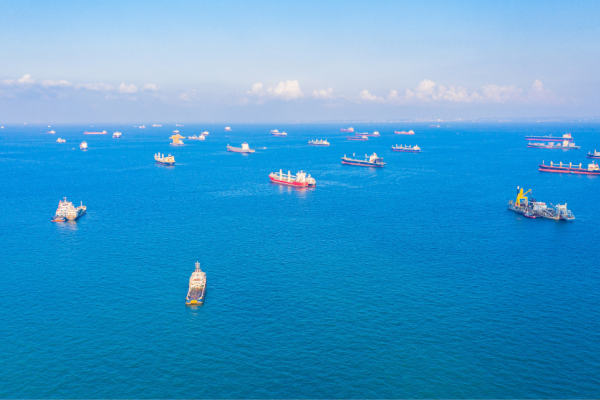
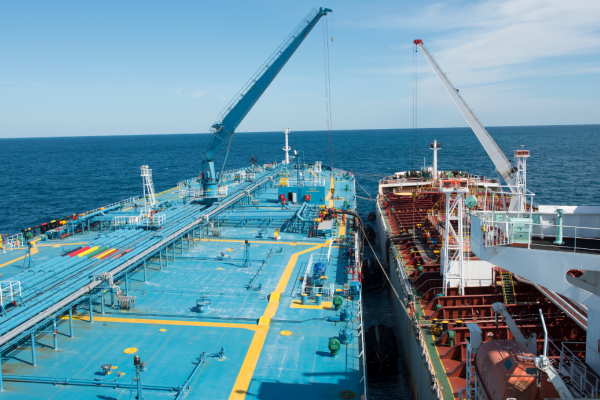
Following a claims review it appears that the majority of these cases took place in conditions that may have been unsuitable for the activity undertaken. Contributory factors generally included one or more of the following: Adverse weather conditions such as high winds, heavy seas, strong currents and/or tidal streams. In one case a daughter vessel, which was moored alongside an anchored mother vessel, made contact when trying to unmoor in a Force 8 wind. A significant number of other incidents occurred in winds of Force 6 or more Lying beam on to a long swell while lightering a vessel which was partially aground. The swell increased during the operation, causing both vessels to roll up to 10° and hit each other Poor communications and misunderstandings between vessels Excessive speed either moving ahead or during the approach while both vessels were underway Pulling ahead or falling astern of the other vessel and attempting to steer away while still in close proximity, failing to take account of the negative transfer that may cause the manoeuvring vessel to head the opposite way at the start of the turn Attempting to moor against an anchored mother vessel on the same side as the anchor in use, contrary to best practice An insufficient number of fenders, or fenders of an inappropriate type or size. Also poorly positioned fenders in the vicinity of the shoulder or quarter regions of the hull, or a complete absence of fenders in these areas Not enough crew in the mooring gang. A daughter vessel was forced to hold station alongside an anchored mother vessel for a prolonged period of time in poor weather while the mooring gang moved from one end of the vessel to the other to let go the lines. The vessels eventually collided Unsatisfactory use of tugs. A tug was instructed to pull the bow of a daughter vessel away from an anchored mother vessel that was yawing in high winds, rather than using the tug to hold the mother vessel steady. The mother vessel swung and struck the daughter vessel causing significant damage Mooring and unmooring should always be conducted in accordance with the STS Operations Plan, the Safety Management System, any local, national and/or flag state requirements that may apply and the guidance contained in the latest edition of the following publications: ICS/CDI/OCIMF/SIGTTO Ship to Ship Transfer Guide for Petroleum, Chemicals and Liquefied Gases (“Ship to Ship Transfer Guide”) IMO Manual on Oil Pollution, Section 1 Prevention, Chapter 6 - Ship-to-ship transfer of crude oil and petroleum products while underway or at anchor This safety alert highlights the risks and safeguards that should be considered to reduce the likelihood of contact damage during STS mooring and unmooring operations. STS Planning and Preparation STS operations may take place while both vessels are underway or with one vessel at anchor. When both vessels are underway it is customary for the larger vessel to steer a steady course and maintain a constant speed, usually around 5 knots, keeping the wind and sea on the port bow while the smaller vessel moors on the starboard side. The vessels may then carry out the cargo transfer while underway or may stop and drift in order to do so. Local conditions may sometimes require an alternative arrangement. STS Transfer Operations – Incidents Resulting in Contact Damage The Club has experienced an increasing number of claims involving contact damage during ship to ship (STS) transfers, mainly during manoeuvri
STS Transfer Operations - Incidents Resulting in Contact Damage
West of England
Read full article at West of England →
Opens West of England in a new tab