news Compliance & regulationOperational risk Splash247
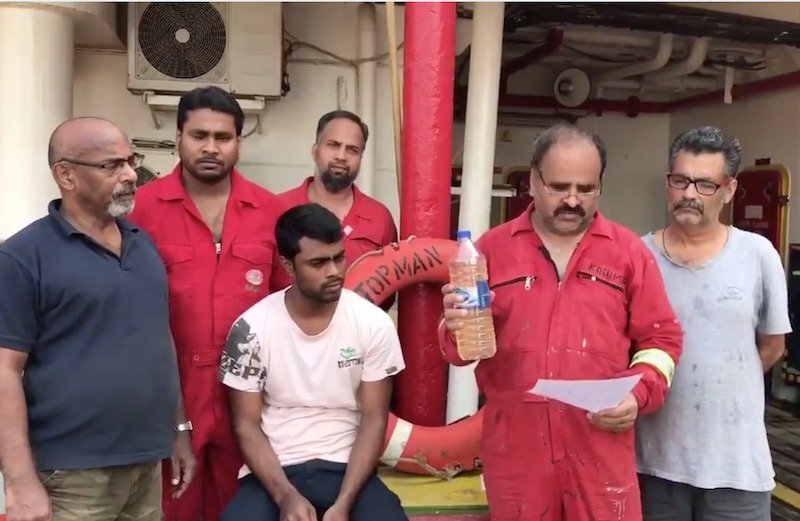
Helio Vicente, director of employment affair at the International Chamber of Shipping, has been appointed coordinator of a task force focusing on the database for seafarer abandonment. Here he shares ways to increase the visibility of this pressing issue. Seafarer abandonment is a growing concern that continues to undermine the rights and well-being of maritime workers worldwide. While there are nearly 2m seafarers worldwide, most of whom do not have these experiences, the International Chamber of Shipping (ICS) is deeply concerned about the increasing number of these abandonment cases. This is why we are honoured to be coordinating a newly established international task force, which held its inaugural meeting on February 21. The task force will be dedicated to reviewing and updating the joint International Labour Organization (ILO) and International Maritime Organization (IMO) abandonment database, alongside national governments and other interested parties such as the International Transport Workers’ Federation (ITF). The scale of the problem According to ITF, the number of seafarers abandoned has nearly doubled in just one year, with 3,133 seafarers reportedly abandoned in 2024, compared to the 1,676 reported by ITF for 2023. Likewise, the most recent joint annual report by ILO and IMO, suggests that the 2024 abandonment figures excessively surpassed all the previous years’ records, highlighting the urgent need for coordinated action and better enforcement of existing regulations. The role of the task force The abandonment of seafarers is not just a statistic—it is a harmful reality for those affected. While various stakeholders have worked tirelessly to support abandoned crews, there is a consensus that gaps remain in the reporting, classification, and resolution of cases. The ILO and IMO first established a joint abandonment database in 2002 to provide transparency and monitor incidents. However, in 2016, concerns were raised about unreported cases and outdated information within the database, which underscored the need for improvements. The newly established task force, coordinated by ICS, aims to address these issues by ensuring the database is comprehensive, accurate, and regularly updated. This is a crucial step toward providing the reliable data needed to facilitate timely interventions and policy decisions. Our primary objectives include: Ensuring each case is recorded with up-to-date and verified information. Establishing clear procedures to deal with disputed cases. Upgrading to more efficient digital reporting systems where possible.Developing a framework for annual reports for clear and efficient year-on-year comparison. A collaborative effort Tackling seafarer abandonment requires a united front. The task force brings together governments, industry bodies, and labour representatives to ensure a comprehensive approach. So far, participants in the task force include China, Hong Kong (China), Ireland, Liberia, the Marshall Islands, the Philippines, Singapore, the United Kingdom, BIMCO, ICMA, ICS, ITF, and P&I Clubs (IGP&I). Their expertise and commitment will be instrumental; every country and NGO will have stepped up and will play their role in the task force in order to drive meaningful change. Why data matters Quality data is the foundation of effective policy and enforcement. Without a robust and reliable database, abandoned seafarers risk slipping through the cracks, and regulatory loopholes can persist. Accurate data
Strengthening the fight against seafarer abandonment

Splash247
Read full article at Splash247 →
Opens Splash247 in a new tab