news Container Operational riskDecarbonization & energy Hellenic Shipping News
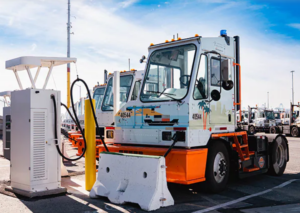
Automation is now an option for all ports in Port News 05/01/2026 Automation has been proven beyond doubt to improve port performance and enable cargo to be moved more safely, securely and sustainably. There are now more than 50 automated container terminals globally (Figure 1) and big advances continue to be made in port automation technologies. As such there is now a strong case for operators of the remaining 95% of the world’s terminals which are not yet automated to consider becoming so. Certainly, the concept of Spain’s Ports 4.0 initiative, which involves a digital transformation of the country’s ports, is gaining traction worldwide. This includes the use of advanced analytics, artificial intelligence and the ‘internet of things’ to create highly efficient and flexible logistics hubs. Successful implementation of these technologies leads to increased competitiveness, improved sustainability and continued technological advancements in the maritime industry. Automation in ports and terminals can create new technology-based roles, such as remote operators and technical support. It can also open up the transport and logistics industry to a more diverse workforce, attracting people who may have been excluded due to the physical demands of the workplace. As well as large container terminals, automation is a growing trend throughout the ports sector, driven by the need to optimise performance and minimise environmental impact. This article explores the key aspects of port automation, including innovative technologies, opportunities, benefits and challenges. Innovative port automation technologies There are several automation technologies now available for transforming port operations. Robotic cranes and automated guided vehicles (AGVs) are now used around the world for efficient loading and unloading of containers. These technologies have the capability of increasing the speed of operations and minimise the risk of accidents. The development and implementation of autonomous ships for transport and logistics are revolutionising the maritime industry. These ships can navigate and operate without human intervention, leading to safer and more efficient maritime operations. Smart logistics and predictive analytics are data-driven technologies that can optimise supply chain management, enhance overall port efficiency, forecast demand, identify potential bottlenecks and improve decision-making processes. And virtual replicas of port infrastructure, known as digital twins, allow for testing and optimisation of operations. Simulating scenarios such as extreme weather or ship collisions can prepare ports for real-world challenges. Opportunities for port process automation In addition to container handling, there are now a wide range of other port processes to which automation can be applied. Effective asset management is crucial for the smooth operation of automated ports. Automated systems can manage the entire lifecycle of port assets, from procurement and operation to maintenance and disposal. This helps in balancing costs and performance, reducing business continuity risks and ensuring the longevity of port infrastructure. Automatically identifying and mitigating hazards is essential for maintaining safety in automated ports. Technologies such as video analytics and real-time monitoring systems can detect potential hazards, such as equipment malfunctions or unauthorized personnel in restricted areas. Security is a critical aspect of port autom
Automation is now an option for all ports
Hellenic Shipping News
Read full article at Hellenic Shipping News →
Opens Hellenic Shipping News in a new tab