news Geopolitical riskOperational risk Marine Insight
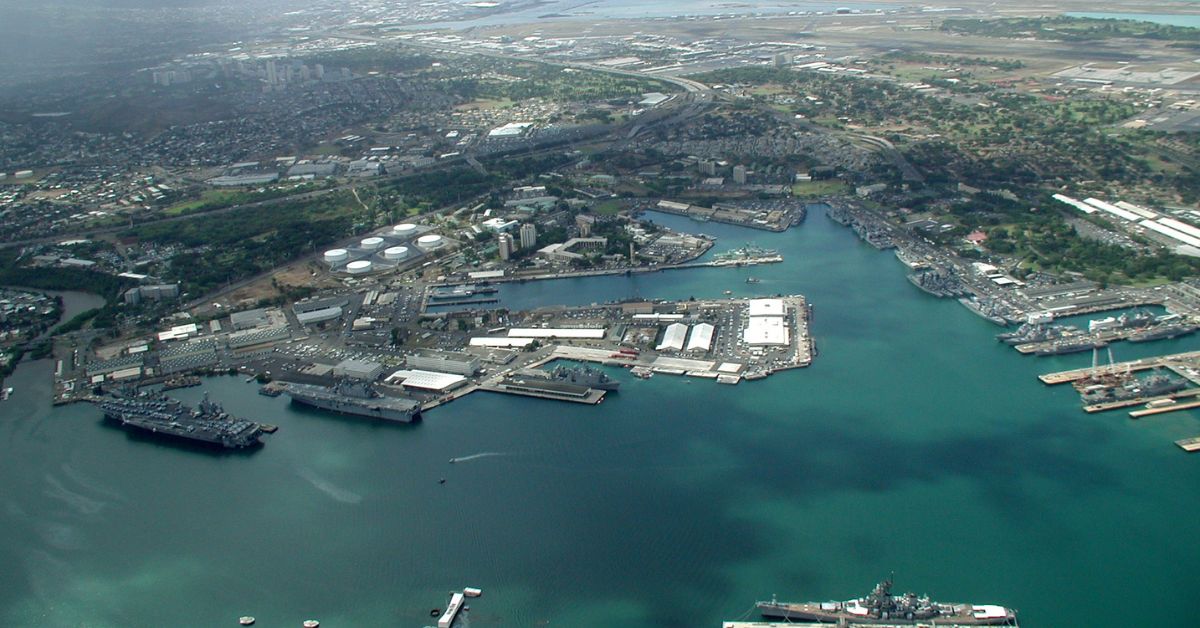
Image for representation purposes only Global shipping routes are increasingly affected by geopolitical and environmental events, putting more vessels and seafarers at risk. Given that maritime transport accounts for over 80% of goods shipped, any hindrance to vessels can significantly impact the supply chain. Recent events in crucial shipping lanes have prompted concern about vessel safety, as merchant ships have come under attack in the Strait of Hormuz. Following the growing number of incidents, the Secretary-General of the International Maritime Organization published a statement reiterating that vessels and their crews “must be protected from the effects of wider geopolitical tensions”. While freedom of navigation is a fundamental principle of maritime law, operators cannot guarantee vessel protection amid evolving risks and threats. Leaders of shipping and logistics organizations continue to consider new technologies and approaches to help keep ships and seafarers safe and minimize supply chain disruptions. Global risks and threats to vessels While cyberattacks against vessels remain a global concern, physical risks and threats to ships are also growing in complexity. As maritime transport remains a fundamental component of the supply chain, compromised vessels can have far-reaching economic and social impacts. Below are some of the leading risks and threats to vessels at port and sea: Political tensions: Geopolitical tensions in crucial shipping lanes have presented increased risk to vessels transiting through these regions. There have been attacks on ships, both intentionally and unintentionally, during regional escalations. Extreme weather events: Global climate change has contributed to an increase in adverse weather, potentially damaging vessels at sea. Logistics industry leaders have cited that these once-isolated scenarios are now more common. Piracy: Some key shipping regions have become hotspots, with groups boarding ships to seize assets or hold vessels for ransom. Reports indicate that while incidents remain steady, losses resulting from pirate success can be high. Seizures: State and non-state actors can seize ships illegally, putting operating vessels and their crews at risk. Groups seizing ships often use the event as leverage to advance their causes. Port disruptions: Incidents at ports, such as fires, extreme weather or sabotage, can damage docked vessels. The UN Conference on Trade and Development (UNCTAD) labelled port disruptions “chronic” in their 2025 Review of Maritime Transport. Emerging technologies and approaches to enhance vessel protection Vessels are the lifeblood of the maritime industry, making their protection all the more important to critical industries and national governments to help ensure continued prosperity. However, maritime operations are becoming increasingly complex due to global risks and threats to ships and their crews. To help mitigate incidents and protect the supply chain, more operators are turning to these emerging technologies and innovative approaches to enhance vessel protection. 1. Advanced maritime camera systems Maintaining maximum visibility is the most crucial factor in helping protect vessels both at port and at sea. More port administrators, logistics operators and commercial shippers are leveraging advancements in camera technology to help fill gaps where vessels are more vulnerable to risks and threats. Advanced coastal surveillance systems use rugged cameras with high
New Technologies And Approaches To Vessel Protection

Marine Insight
Read full article at Marine Insight →
Opens Marine Insight in a new tab