news Operational riskSafety & casualty Splash247
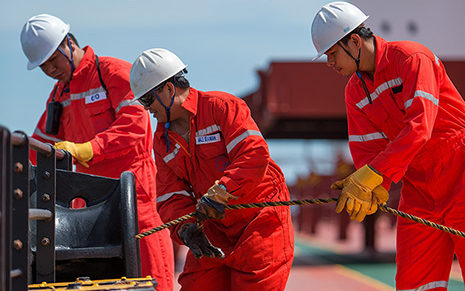
Martin Hedman, director of mental wellness practices at VIKAND, writes for Splash today. The issue of burnout among seafarers has often been pigeonholed into a narrow focus on mental health, yet the reality on the high seas is far more complex. Recent findings from VIKAND, which show a significant rise in psychological assessments among crew members, provide a crucial starting point for a broader discussion. Burnout in this uniquely demanding environment stems from a confluence of factors that extend well beyond mere mental exhaustion, encompassing physical health, environmental stressors, and the very nature of maritime work. Burnout in seafarers, deeply intertwined with mental health, arises from chronic stress and manifests as emotional, physical, and mental exhaustion. The isolated and demanding maritime environment exacerbates this condition, as constant high demands erode seafarers’ enthusiasm and satisfaction. Preventing burnout requires addressing mental health proactively through access to psychological support, fostering a supportive onboard community, and ensuring regular mental health evaluations. Effective interventions not only enhance seafarers’ wellbeing but also contribute to the safety and productivity of maritime operations. Physical exhaustion cannot be overlooked when discussing burnout. The physical demands of maritime jobs — from handling heavy equipment to maintaining extensive machinery—can be overwhelming. Coupled with irregular shifts and extended periods at sea, the physical toll on seafarers is immense. Without adequate rest, nutritious food, and physical downtime, the body wears down, and burnout becomes inevitable. The environment in which seafarers operate is fraught with stressors that go unnoticed on land. Constant motion, noise from engines and machinery, vibrations, and the lack of natural light contribute to a sensory burden that can sap energy and diminish the spirit. These factors, when not managed properly, heavily contribute to burnout by creating an oppressive working environment. Organisational factors play a significant role in causing burnout. Inflexible hierarchies and rigid command structures can stifle communication and leave little room for personal initiative or decision-making. For crew members, this can translate into a workplace that feels more confining and can escalate stress levels, contributing further to burnout. Addressing burnout effectively requires a multifaceted approach. First, acknowledging the physical demands and providing practical solutions such as improved shift scheduling, better quality of sleep accommodations, and enhanced meal quality can make substantial differences. Reducing environmental stressors through better ship design — quieter engines, more comfortable living quarters, and access to leisure activities can improve the overall working conditions. The isolation experienced during long voyages can also compound feelings of burnout. Implementing programmes that enhance social connectivity on board is crucial. Activities such as organised social events, communal leisure areas, and improved internet access allow crew members to maintain contact with family and friends, as well as bond with their colleagues. This social support is vital for mental health and can significantly reduce the sense of isolation and burnout. Enhancing a sense of control can be achieved through ensuring that seafarers are involved in decision-making processes related to their work and l
Addressing seafarer burnout
Splash247
Read full article at Splash247 →
Opens Splash247 in a new tab