news Geopolitical riskOperational risk Hellenic Shipping News
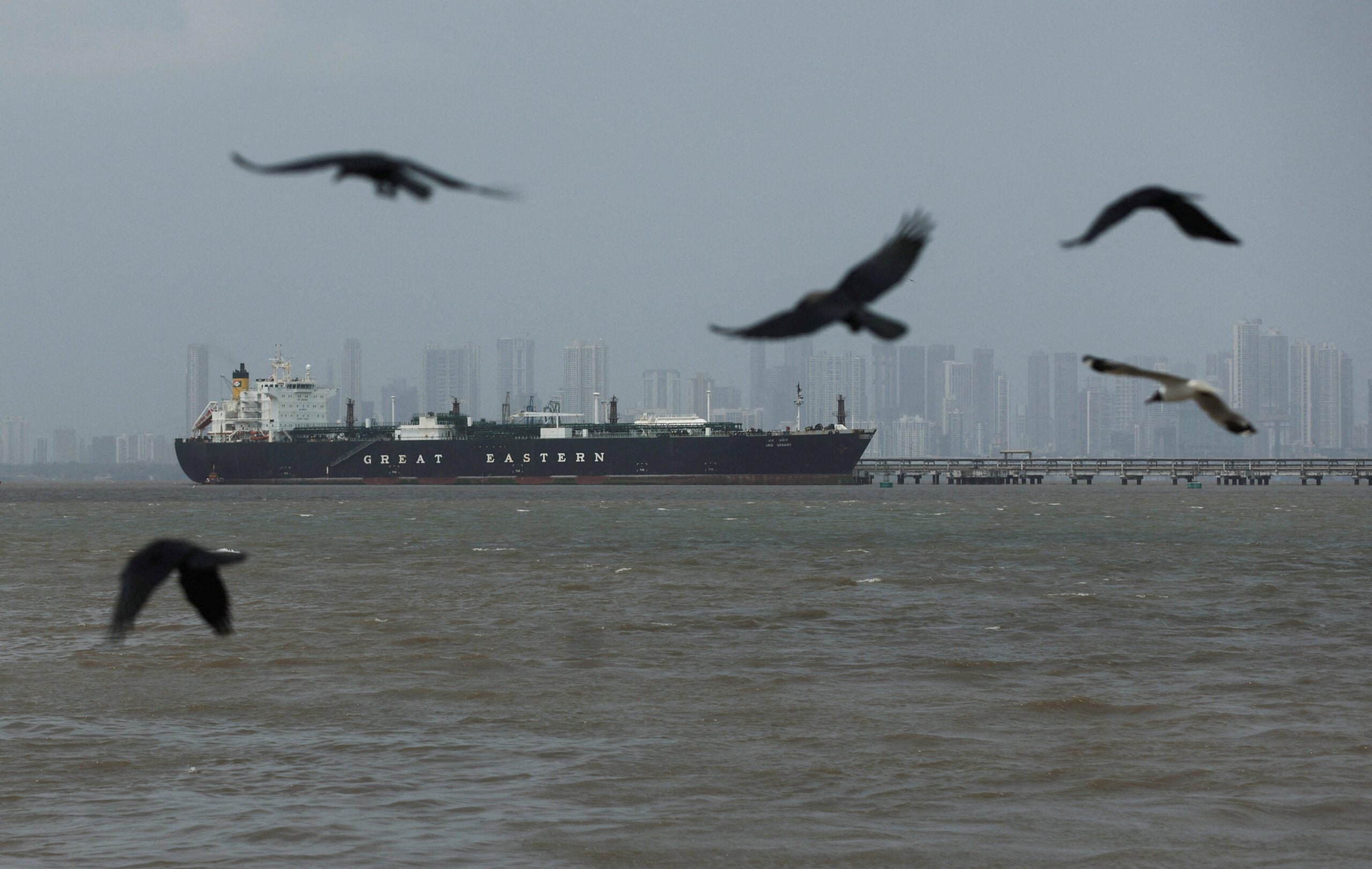
Traffic is trickling through Strait of Hormuz: Who’s moving through and who’s still stranded or diverting in International Shipping News 19/03/2026 Iran’s de facto blockade of the Strait of Hormuz has stoked fears of the gravest disruption to global oil supply in history, as the Middle East conflict stretches into its third week. The blockade has squeezed shipping traffic to a trickle, with just 21 tankers transiting the route since the war began on Feb. 28, according to S&P Global Market Intelligence, compared to more than 100 ships daily before the conflict. Most vessels appear to be holding positions outside Hormuz, with thousands of seafarers stranded aboard vessels in the Gulf. Some have explored a pivot to disperse to alternative ports. Roughly 400 vessels were spotted operating in the Gulf of Oman, as a massive backlog of ships waited near the chokepoint, according to a report from maritime intelligence firm Windward on Sunday. While Iran has kept a tight grip on the strait, a small number of other ships have made the crossing under varying circumstances, signaling that Tehran is selectively letting through some non-Iranian oil cargo in negotiated safe voyages, according to maritime analysts. Here’s a look at some of the countries that have had their vessels go through the critical energy route since the war began. China Tehran has largely avoided targeting ships linked to China. Dozens of vessels broadcasting AIS — automatic identification system — destinations referenced Chinese ownership or crew presence while operating in the Gulf, according to Windward. “This pattern suggests the possibility of an informal access filter, where vessels signaling Chinese ownership or crew may be attempting to indicate neutrality or avoid targeting in the current conflict environment,” Windward analysts said in a report last week. Beijing was reportedly in talks with Iran to allow crude oil and Qatari liquefied natural gas carriers to pass through the strait. Iran has continued to ship millions of barrels of crude oil to China since the war began. From March 1 to March 15, a total of 11 China-linked vessels transited through the Strait of Hormuz, according to Lloyd’s List Intelligence, mostly general cargo ships, while tankers operated by mainstream Chinese owners still avoided the route. Earlier this month, Chinese state-owned Cosco Shipping suspended all new bookings for routes to and from ports in the Middle East. Yet a ship that broadcasts its Chinese affiliation does not always guarantee a safe passage. One China-owned vessel broadcasting “China Owner” via AIS during transit was struck by shrapnel while sailing from the Middle East Gulf toward Jebel Ali in the United Arab Emirates on March 12, a development that has since deterred further Chinese transits, according to Lloyd’s List Intelligence. Greece Greek shipowners, run by Athens-based Dynacom Tankers Management, have been among the first mainstream operators to test the route. The Shenlong, a Liberia-flagged Suezmax tanker managed by Dynacom, transited the strait around March 8, carrying roughly one million barrels of Saudi crude to arrive at Mumbai’s anchorage. Another oil tanker, the Smyrni, laden with Saudi crude oil, also sailed through the waterway last week and anchored in Mumbai. It is not yet clear whether Smyrni was allowed safe passage due to its cargo bound for India, said Lloyd’s List Intelligence. India Indian Foreign Minister S. Jaishankar described the country’s direct
Traffic is trickling through Strait of Hormuz: Who’s moving through and who’s still stranded or diverting
Hellenic Shipping News
Read full article at Hellenic Shipping News →
Opens Hellenic Shipping News in a new tab