news Geopolitical riskMarkets & trade Marine Insight
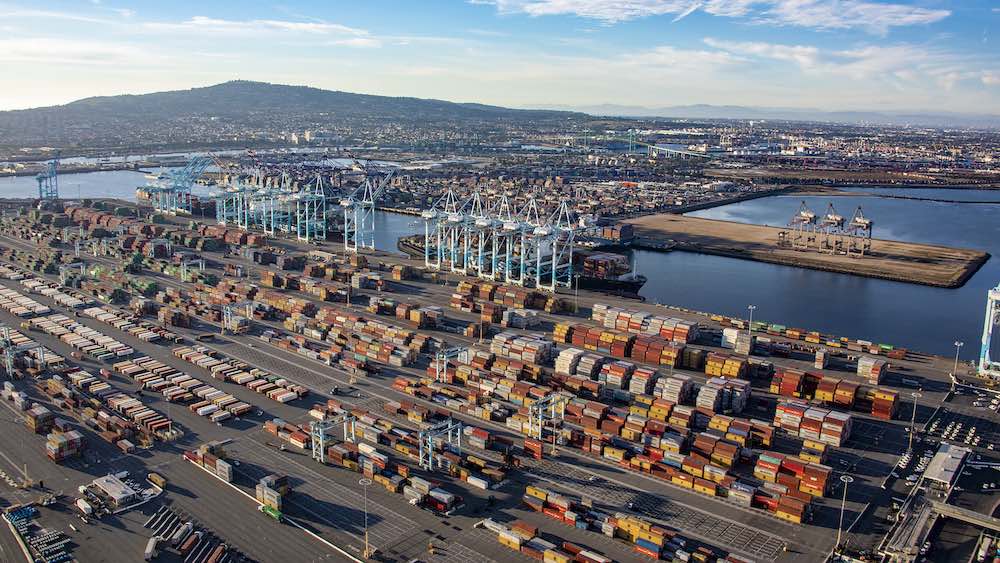
Trump Tariffs: Introduction and Context The latest blow to international trade and global supply chains has fallen in the form of Trump’s tariffs, where, after assuming the presidency, Trump announced a raft of tariffs on most commodities imported into the USA. Belying expectations of the pre-election threats of the imposition of significantly higher tariffs being mere bluster, Trump wasted little time in announcing multiple rounds of tariffs, aimed at different countries. Representation Image A notable difference between Trump’s first term and now is that tariffs have also been imposed on imports from countries that have traditionally enjoyed good relations with the US and whose political ideologies are aligned, rather than being restricted to countries that have been perceived as competitors or are geopolitically antagonistic. Canada, Mexico, and the European Union were unexpectedly hit by US tariffs, as were countries like India and some Far East Asian countries. The trade deficit of the US with each country was one of the primary determinants in calculating the rate of tariff, on top of the flat 10% tariff levied on most imports. Adding to the uncertainty and volatility was the temporary pausing of tariffs for certain countries and commodities, while retaining them for Chinese imports. The situation was exacerbated by the imposition of counter-tariffs on American goods by other countries, besides other non-tariff restrictions such as curtailing the supply of Critical Raw Materials (CRMs) to the US. The current status is that all imports (except certain commodities deemed essential) to the US are subject to a 10% tariff, while the additional tariffs have been kept in abeyance for a period of 3 months (rationale being to allow time for negotiations with each country, wherein they discuss with the US and offer better trade terms, to reduce deficits). Impact on African Countries compounded by changes to USAID and AGOA For African countries, the impact of the proposed tariffs has been compounded by USAID reductions and the likely suspension of the Africa Growth and Opportunity Act (AGOA), whereunder several African countries had been granted preferential access to US markets, and which had significantly benefitted the economies of some countries. Since the beginning of 2025, African countries have been faced with the prospect of trade and economic challenges emanating from the Trump administration’s policy changes. These changes primarily relate to: The imposition of additional or punitive tariffs on countries which are deemed to levy unjustifiably high tariffs on US imports or where the trade deficit is significant. AGOA (Africa Growth and Opportunity Act): specifically, regarding extension thereof, upon expiry in September 2025. USAID: The steep reductions in USAID funding and activities, while not directly impacting trade and commerce, will through impact on humanitarian and social facets, exerting drag on economic and financial parameters. While each of them covers a different aspect of US-oriented EXIM trade and access to US markets, there exists a great degree of interdependence and interrelation amongst these, especially Tariffs and AGOA. Ref the AGOA, while no specific announcements have been made thus far, given Trump’s somewhat inward focussed approach and intense desire to reduce trade deficits (or at least use the threat of tariffs to gain trade concessions), it is conceivable that the AGOA will not continue in its present fo
Impact Of Trump’s Tariffs & Suspension Of AGOA On African Countries

Marine Insight
Read full article at Marine Insight →
Opens Marine Insight in a new tab