market_report LNG / LPG Geopolitical riskMarkets & trade Hellenic Shipping News
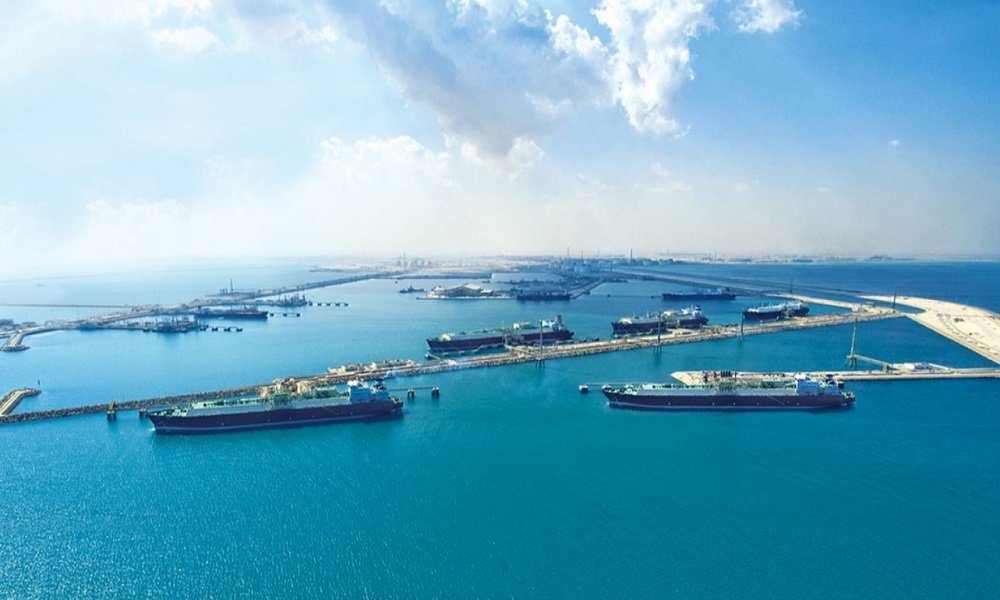
LNG crunch may stoke inflation, slow global growth after Qatar hit: Analyst in World Economy News 30/03/2026 How LNG scarcity is reshaping the global economy Three weeks into the Middle East war, the world is confronting something more structurally devastating than a crude oil shock. It is a liquefied natural gas crisis — slower to unfold, harder to replace, and with consequences that will outlast any ceasefire by years. Nat-gas prices settled sharply higher on Thursday, garnering carryover support from a surge in European nat-gas prices to a 3-year high. European natural gas prices surged on Thursday after Qatar reported “extensive damage” at the world’s largest natural gas export plant at Ras Laffan Industrial City. When Qatar Energy ceased production at Ras Laffan Industrial City after Iranian drone strikes on March 2, European benchmark gas prices surged by nearly 50 per cent in a single session — the largest single-day increase since Russia’s invasion of Ukraine. On March 19, Qatar Energy confirmed that Iranian strikes have destroyed two LNG trains and one gas-to-liquids facility, sidelining 12.8 million tonnes per annum of output for three to five years — with force majeure declared on long-term contracts to Belgium, Italy, South Korea, and China. This is no longer a logistical disruption. It is a multi-year structural wound in the global energy system. The scale of what has been lost Qatar accounts for approximately 20 per cent of global LNG supply. In 2025 alone, it exported 80.97 million metric tonnes, virtually all of it transiting the Strait of Hormuz, but now nearly 20 per cent of global LNG flows had been sidelined due to physical damage that may be harder to reverse. Sectoral and geographic impact The scarcity radiates differently across industries and geographies. Power utilities in Japan and South Korea — which together account for approximately three-quarters of all LNG imported across Asia are burning emergency oil stocks and firing up mothballed coal plants. Gulf producers account for 43 per cent of all seaborne urea exports; Qatar’s QAFCO, the world’s largest single-site urea plant at Ras Laffan, has gone silent. Petrochemical complexes across Singapore, China, and South Korea — which use LNG-derived ethane and propane as feedstock — are operating below capacity. The structural problem with restarting LNG flows Even a ceasefire tomorrow would not restore supply quickly. Qatar Energy’s CEO was explicit: “For production to restart, first we need hostilities to cease.” Beyond that, two damaged LNG trains face three-to-five year rehabilitation timelines. Once Ras Laffan completes its shutdown procedure, it will take a minimum of two weeks before gas can begin being converted back into super-chilled fuel, and a further two weeks to reach full production capacity on undamaged trains. Alternative supply cannot simply be switched on as the US, Qatar, Australia, and Malaysia are already operating at 100 per cent export capacity, leaving India and other buyers with almost nowhere to turn except sanctioned Russian LNG. Global supply-demand and the inventory buffer The crisis arrives at the worst possible moment for European inventories. The EU’s five-year storage deficit doubled since the start of the 2025-26 heating season to 16 billion cubic metres, with inventory levels now standing 30 per cent below their five-year average — a position that was already driving forecasts for record LNG imports in 2026. EU-wide storage stood
LNG crunch may stoke inflation, slow global growth after Qatar hit: Analyst
Hellenic Shipping News
Read full article at Hellenic Shipping News →
Opens Hellenic Shipping News in a new tab