news Compliance & regulationDecarbonization & energy Splash247
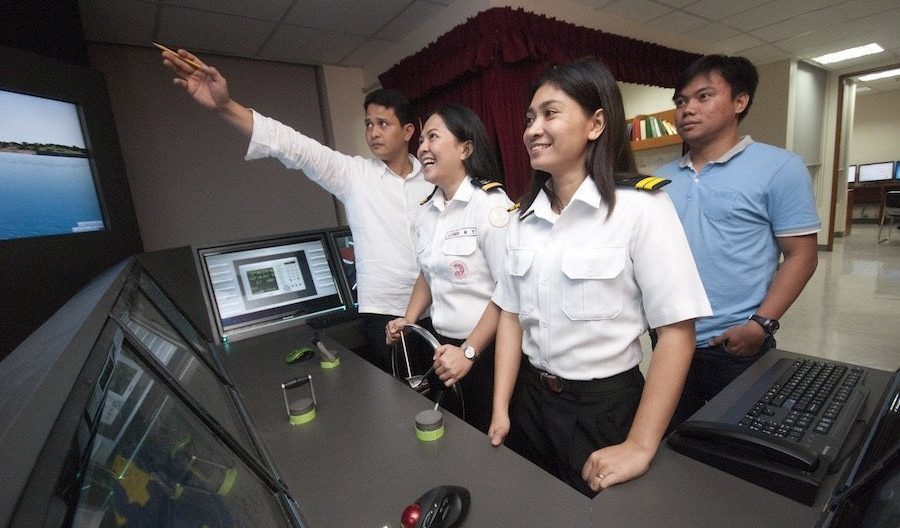
The scale of the training challenge is well-known and new approaches are emerging to meet it, writes Jennifer Harrison, vice president of ABS Training Solutions. Decarbonisation and digitalisation present a decades-long challenge to the shipping industry and there is a growing realisation that their impact will be felt most keenly by the people on whom we already rely on the most. The industry is increasingly looking to seafarers to adopt new technology, collect, manage and analyse data, faster and more frequently than before. We are also asking them to work with fuels and propulsion methods that will test safety routines and chain of responsibility in different ways. The system is not broken, but many see cracks appearing. Even its supporters agree that the foundations of the STCW Convention are being tested and there is growing consensus that improvements are needed for it to best serve the industry in the age of digitalisation and new fuels. This year’s Singapore Maritime Week heard a number of industry leaders call for a revision that would make it fit for purpose in the next decade and beyond. The scale of the training challenge is also vast. A coalition of the International Transport Workers Federation, IMO, International Chamber of Shipping and International Labour Organization and the UN Global Compact has previously estimated that over 800,000 seafarers from the current cohort would need to be upskilled to prepare for transitions in technology and energy. New seafarer skills are needed but so too is the flexibility to move between roles across a fleet and to shore. Recruiting and retaining skills within in an industry sector is not unique to shipping, but it is keenly felt when expectations are changing so rapidly. Meeting the challenge The problem is clear, what isn’t yet is how we solve it. However it makes no sense to pursue excellence in isolation and fail to recognise that we should train seafarers just like workers in healthcare or aviation. Somehow, this enhanced training requirement needs to be fulfilled alongside mandatory certification requirements. And let’s be clear, to maintain safety and quality, we need to make that investment at speed and scale. A 2020 survey for Nautilus International found that seafarers are increasingly self-funding their training, spending between 10%-20% of their income on training with investment specifically in certification and training related to new technologies and decarbonisation efforts. The Seafarers’ Happiness Index Q4 2024 report noted a sharp division between the experience of those onboard ship. While many appreciated the quality of the instruction received, there was widespread concern that the volume of training was excessive, and risked disrupting rest time. Junior personnel noted a lack of hands-on experience, feeling that online training formats were insufficiently engaging and did not adequately prepare them for real-world applications. This situation appears to have led to increased fatigue and frustration, further contributing to the decline in overall satisfaction. The industry must look to adopt best practices in the maritime space that foster and retain skills and in the process support better health and wellbeing as well as safety. We need to give seafarers time and space to learn and build confidence. This happens over time and with continued exposure. The next generation of simulation technology need to become the norm and not the exception for the maritime indust
Beyond the certificate: using technology to build and assess competence
Splash247
Read full article at Splash247 →
Opens Splash247 in a new tab