news Geopolitical riskMarkets & trade Hellenic Shipping News
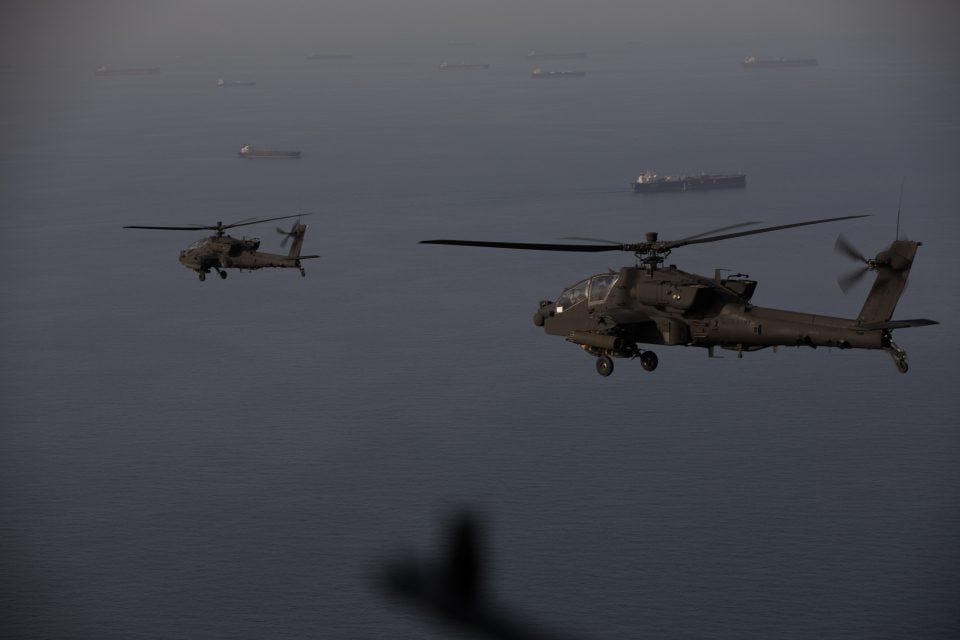
Can crude oil stockpiles in Asia outlast the Middle East conflict? in Oil & Companies News 21/04/2026 Global markets have signaled a growing sense of optimism that the ongoing U.S.-Iran conflict, now in its 45th day, will reach a negotiated settlement by the end of April. Yet, a new research note from Bernstein cautions that investors may be drastically underestimating the gravity of the unprecedented disruption to energy flows, a risk that is particularly acute for the energy-hungry Asia-Pacific region. An unprecedented logistical bottleneck The conflict has effectively stalled energy flows through the Strait of Hormuz, impacting approximately 15 million barrels per day (MMbls/d), roughly 15% of total global liquids demand. initially spiked to $120 per barrel, but they have recently retreated to below the $100 mark. The pullback suggests that market participants are heavily pricing in a diplomatic resolution, viewing the current supply gap as a short-term anomaly rather than a structural crisis. For Asia-Pacific nations, which rely heavily on Middle Eastern crude imports, this disruption threatens to undermine regional industrial output and exacerbate energy inflation. The logistical challenge of restarting flows Despite the prevailing market optimism, the reality on the ground remains precarious. Currently, no oil tankers are transiting the Strait of Hormuz, with over 750 vessels, including 138 laden oil tankers, stranded in the Arabian Gulf. Bernstein warns that restarting these vital shipping lanes will require significantly more than a political ceasefire. It necessitates the complex, multi-layered establishment of new, non-punitive shipping protocols and revised insurance arrangements. Since the conflict’s onset, the physical supply of crude has been reduced by approximately 650 million barrels. For the Asia-Pacific region, which lacks the strategic reserve buffers of some Western counterparts, this reduction is felt more acutely. Bernstein suggests the market is not accounting for the time-intensive logistical hurdles required to restore global supply equilibrium. Investors looking for clarity in the energy space should monitor developments regarding international shipping insurance and transit agreements. These factors will be the true indicators of when global energy markets, and by extension, Asia-Pacific energy security, can begin to normalize. Until these protocols are settled, the current “cheapness” of energy assets may prove fleeting. Source: Investing.com 2026-04-21 hellenicshippingnews... window.___gcfg = {lang: 'en-US'}; (function(w, d, s) { function go(){ var js, fjs = d.getElementsByTagName(s)[0], load = function(url, id) { if (d.getElementById(id)) {return;} js = d.createElement(s); js.src = url; js.id = id; fjs.parentNode.insertBefore(js, fjs); }; load('//connect.facebook.net/en/all.js#xfbml=1', 'fbjssdk'); load('https://apis.google.com/js/plusone.js', 'gplus1js'); load('//platform.twitter.com/widgets.js', 'tweetjs'); } if (w.addEventListener) { w.addEventListener("load", go, false); } else if (w.attachEvent) { w.attachEvent("onload",go); } }(window, document, 'script')); tweet Share
Can crude oil stockpiles in Asia outlast the Middle East conflict?
Hellenic Shipping News
Read full article at Hellenic Shipping News →
Opens Hellenic Shipping News in a new tab