pi_circular Cargo riskOperational risk NNPC Marine
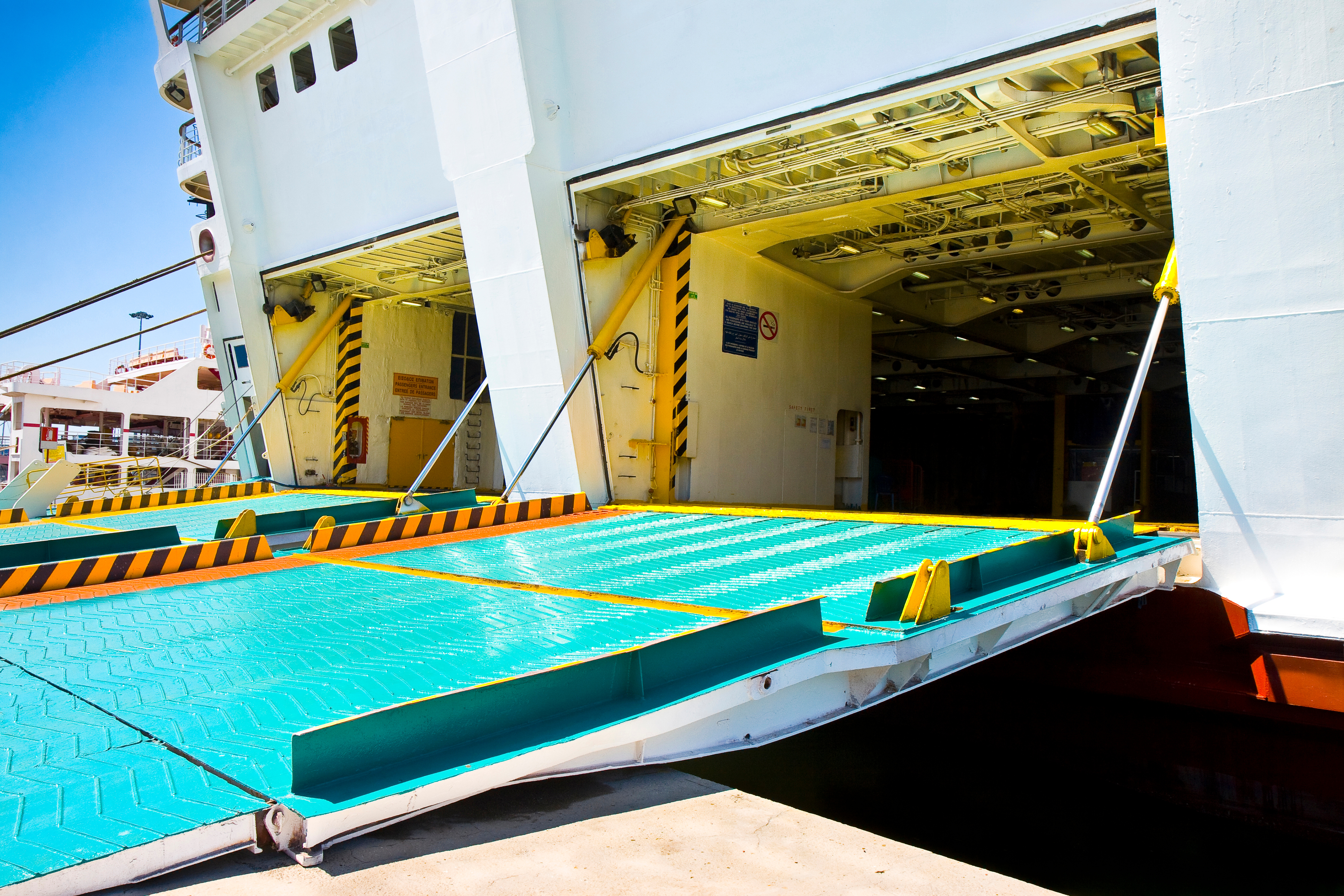
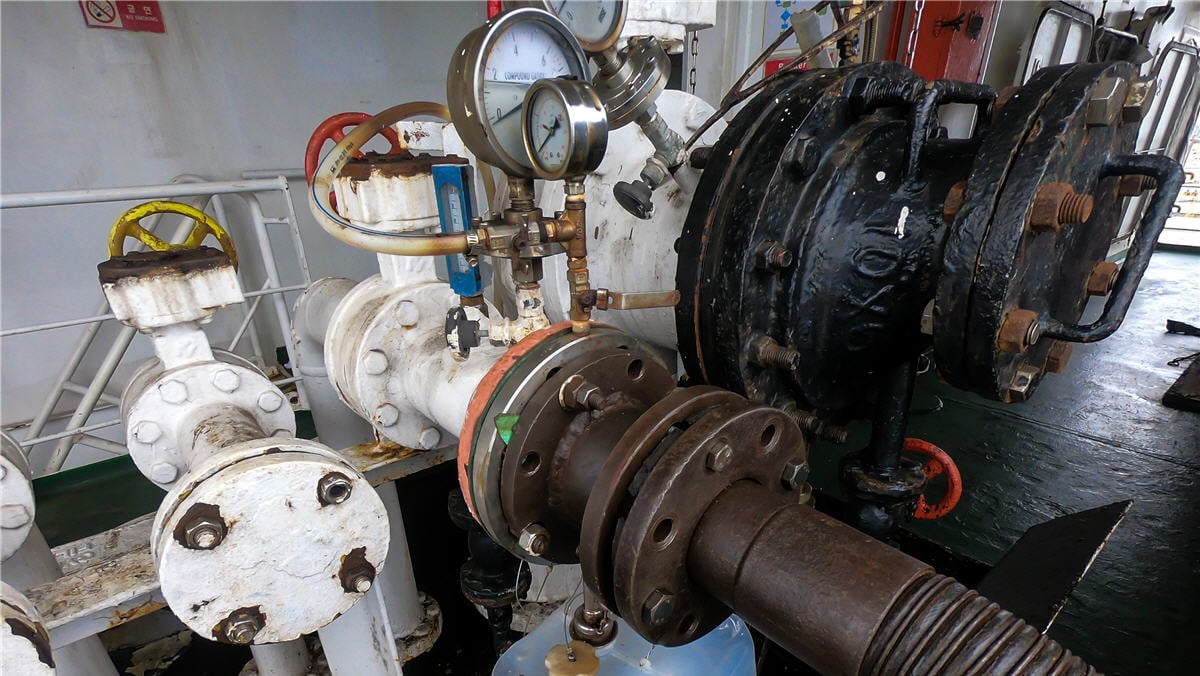
News and publications NewsShip Sweat vs. Cargo Sweat: Understanding Condensation Risks in ShippingPublished: 3 June 2026NewsCargoPreventionWhilst last week many of us were enjoying summer-like temperatures of up to 32°C, the following day the maximum temperature barely reached 18°C—a remarkable drop of some 14 degrees within just 24 hours. Such abrupt changes are exceptional on land, but in shipping, vessels routinely transition between vastly different climate zones in a matter of days. These temperature differences can create ideal conditions for condensation, leading to cargo damage commonly referred to as ship sweat or cargo sweat. What is condensation? Air always contains some level of moisture in the form of water vapour. Warm air can hold significantly more moisture than cold air. When warm, moisture-laden air comes into contact with a colder surface, it cools and may reach its dew point—the temperature at which moisture condenses into liquid water. Within a cargo hold, that moisture may form either on the vessel’s structure or directly on the cargo itself. Ship Sweat Ship sweat occurs when moisture condenses on the vessel’s internal steel surfaces—such as cargo hold frames, tank tops, hatch undersides, or bulkheads—and subsequently drips onto the cargo. This typically occurs when: cargo is loaded in a warm climate; warm, humid air becomes trapped inside the cargo hold; the vessel then sails into colder regions; and the ship’s steel structure cools below the dew point of the hold air. For example, a vessel loading cargo in tropical West Africa and sailing north toward colder European waters may experience rapid cooling of the hold steel, causing condensation to form and drip onto the cargo. Cargo Sweat Cargo sweat is effectively the opposite phenomenon. Here, condensation forms directly on the cargo surface rather than on the vessel’s structure. This occurs when cold cargo is exposed to warmer, humid air. A typical scenario is: cargo is loaded in cold conditi
Ship Sweat vs. Cargo Sweat: Understanding Condensation Risks in Shipping

NNPC Marine
Read full article at NNPC Marine →
Opens NNPC Marine in a new tab