regulation Compliance & regulationDecarbonization & energy Splash247
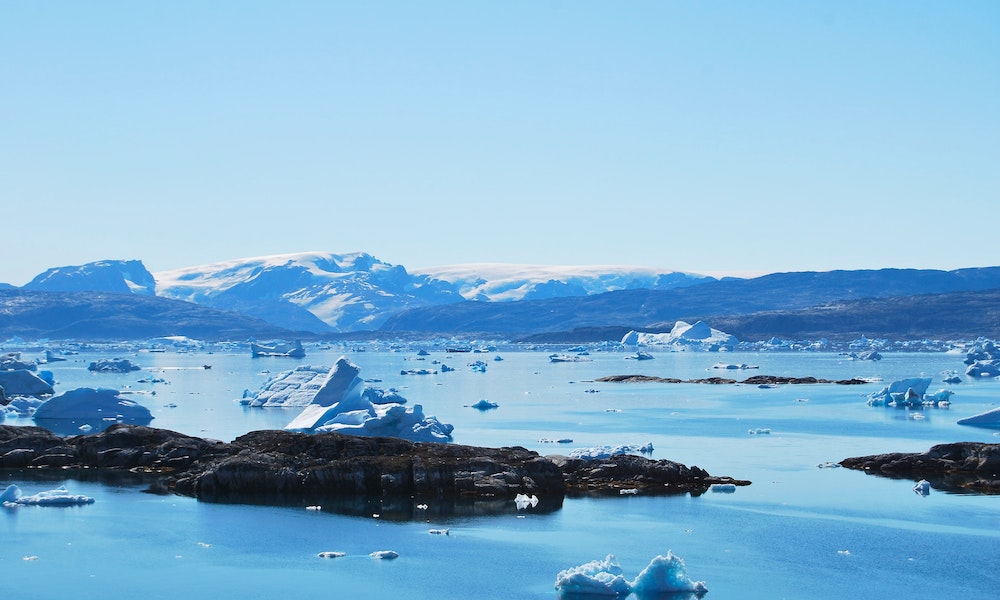
As is common when it gathers, the final day of the Marine Environment Protection Committee (MEPC) meeting at the headquarters of the International Maritime Organization (IMO) is expected to run late with many last-minute compromises and negotiations. Among this week’s confirmed important agreed milestones has been the agreement to adopt key amendments to MARPOL Annex VI, designating the Canadian Arctic and Norwegian Sea as emission control areas (ECAs) for nitrogen oxides, sulphur oxides, and particulate matter. “This will have a positive impact on both human health and the environment,” the IMO stated in a social media post.The topic likely to create the biggest stir at this 82nd MEPC gathering centres around carbon levies. In July 2023, the IMO set a series of non-binding targets for cutting emissions. The IMO is working on new rules in pursuit of its emissions goals: a phased reduction in the greenhouse gas (GHG) intensity of ship fuel, and the world’s first global, mandatory charge on GHG emissions, expected to come into force in 2027. However, significant opposition from a number of countries is expected to see nothing concrete come out of this year’s MEPC into the structure of a carbon levy, rolling the decision through to MEPC 83 next year. IMO secretary-general Arsenio Dominguez told delegates at MEPC’s opening on Monday: “I urge you to concentrate on our key objectives: identifying areas for compromise; addressing the concerns as we progress in this transition, and seeking solutions that are acceptable to all.” On Monday, Splash will be bringing readers all the key takeaways from MEPC, including a look ahead to what will likely be at the centre of debate for the next gathering of the IMO’s green gathering. googletag.cmd.push(function() { googletag.display('div-gpt-ad-1_95_0_1_2'); }); TagsArctic IMO
Arctic emission control areas established at MEPC
Splash247
Read full article at Splash247 →
Opens Splash247 in a new tab