news Safety & casualtyCargo risk Splash247
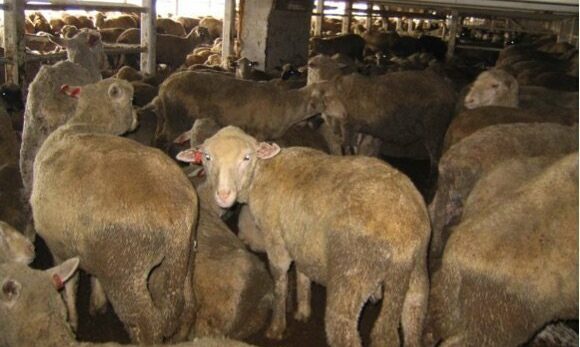
Some 16,000 Australian sheep and cattle stranded on the Bahijah livestock carrier currently moored off Perth will not be re-exporting the cattle after the country’s regulator shot the proposal down. The animals have been on the water for a full month. Several hundred cattle head were unloaded from the 2010-built, 7,900 dwt carrier on Friday but the plan by Israeli-based exporter Bassem Dabbah Shipping to re-export the rest of the animals to the Middle East via the Cape of Good Hope was not approved by Australia’s Department of Agriculture. The application to re-export the animals was submitted on January 26. Exporting to the Middle East along the longer 33-day route along Africa was a way to evade any possible Houthi attacks on ships along the shorter Red Sea route, which was the exact reason for giving the order to the vessel to return to Australia. According to an update by the Department of Agriculture, the exporter was not able to comply with the requirements of the Export Control Act 2020. The regulator was not assured that the requirements would be met before the livestock were imported into the importing country. Also, the Department stated that the exporter did not ensure that the arrangements for the transport of the livestock to their final overseas destination were “appropriate to ensure their health and welfare.” “The next steps for the livestock onboard the vessel are commercial decisions for the exporter to make. A range of options remain available to the exporter, and the department stands ready to assess any future application submitted by the exporter,” the Department of Agriculture said in a statement. The regulator also stated that it was continuing to work with relevant stakeholders to “manage the health and welfare of the livestock and uphold Australia’s biosecurity.” It has again provided assurances that Australia’s biosecurity and the health and welfare of the animals onboard were still its “highest priorities.” The Department again gave assurances that the livestock on the vessel was still in good health and they remained under veterinary care and supervision with no suspicion of exotic pests or diseases within the livestock. However, over the weekend some of the several hundred cattle unloaded from the Bahijah died with those deaths currently under investigation. Australian Chief Veterinary Officer, Dr Beth Cookson, did not provide an exact number but said that the mortality rate was low. googletag.cmd.push(function() { googletag.display('div-gpt-ad-1_95_0_1_2'); }); TagsAustralia Livestock
Re-exporting animals from stranded livestock carrier no longer an option

Splash247
Read full article at Splash247 →
Opens Splash247 in a new tab