market_report Tanker Markets & tradeOperational risk Splash247
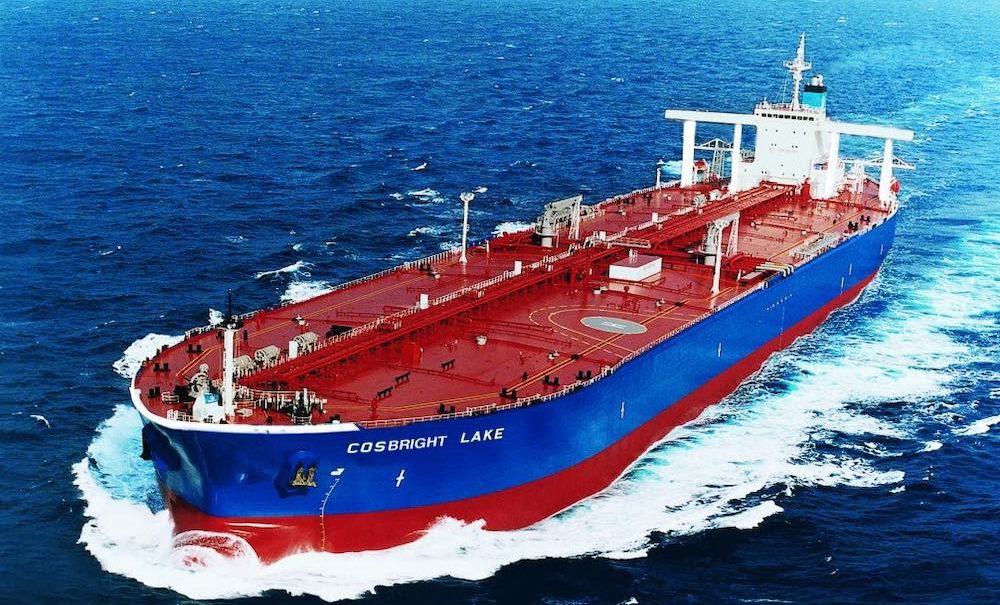
Tankers Without recycling, the 20+-year-old segment of the VLCC fleet will grow from 97 to 154 ships by the end of next year, according to new analysis from Braemar. Over the same period, the old suezmax fleet will grow from 76 ships to 120 ships. The old afra/LR2 fleet will grow from 152 ships to 255 ships. 28% of the VLCC fleet is currently over 15 years old, and 11% is over 20 years old. 32% of suezmaxes are over 15 and 14% are over 20. 40% of the aframax/LR2 fleet is over 15 and 14% is over 20. Braemar analysis shows that a VLCC that is 20 or over (11% of the fleet today, accounting for 8% of all VLCC voyages last year) can expect to do just 40% of the work of an under 20 year old ship when it comes to moving cargoes. This is down from 90% pre-covid. When storage employment is included, the older ship will manage 60% of the roughly 210 earnings days annually of the younger ship. “In today’s market, this is clearly a good enough incentive to put the ship through its 4th special survey,” Braemar stated. Older suezmaxes do about 60% of the moving days of a younger ship (and about 70% of the earnings days), while old dirty-trading afra/LR2s do about 70% of the cargo-hauling work of a younger ship (and 80% of the annual earnings days). The overall tanker orderbook-to-fleet ratio by number of vessels currently sits at 8.7%, according to Xclusiv Shipbrokers. While this is nearing the levels of 2020 and 2021, it remains almost 40% below the average orderbook-to-fleet ratio observed between 2014 and 2019. Xclusiv is forecasting tanker fleet growth will be just 0.02% in 2024, 1.7% next year and 1.8% in 2026. Dry Bulk The iron ore price rollercoaster combined with a growing amount of the steel-making ingredient commodity piling up at Chinese ports spooked some shipowners this month. Iron ore prices have swung from above $140 per tonne to below $100 this year, before staging a revival to $110. At the same time, iron ore stockpiles at Chinese ports have been climbing, potentially denting previously buoyant capesize rates. The “wild” swings in iron ore prices and rising stockpiles have got some owners feeling a “bit jittery” conceded analysts at brokers Arrow in a new research report. The primary reason, Arrow argues, for the sharp drop appears to be a surge in supply rather than a huge drop in demand. Additionally, the decline was exacerbated by souring sentiment, which seems to be improving following the release of better-than-expected data out of China this month as well as the improving global macro outlook. Arrow also pointed out that with Q2 tending to be peak steak production time in China, stockpiling around this time of the year is common. Jeffrey Landsberg, president of Commodore Research & Consultancy, one of the world’s foremost watchers of Chinese iron ore volumes, had his own take one the recent fluctuations, with a greater focus on the seller side. China often imports a robust amount of iron ore when stockpiles are rising, and even when steel output is declining, he pointed out. Iron ore port stockpile capacity stands at about 230m tonnes, so with current levels at just over 140m tonnes there is a lot more room to go, he observed. “The stockpiles on their own are not extremely concerning to us. What is concerning to us, though, is spot iron ore prices,” Landsberg wrote. China is happy to buy a robust amount of iron ore at lower prices. Commodore’s concern is not that China will pull back on buying but instead that exporters will pu
Analyst Abstract

Splash247
Read full article at Splash247 →
Opens Splash247 in a new tab