pi_circular Safety & casualtyOperational risk Britannia P&I
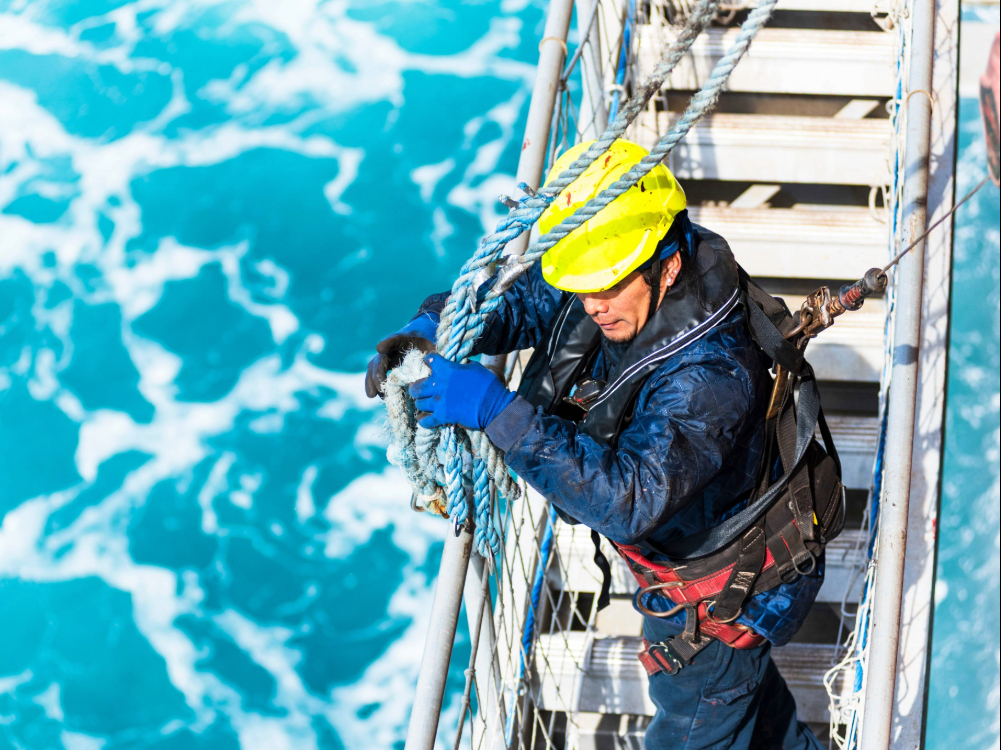
BRITANNIA LOSS PREVENTION MAY 2026 OVERSIDE WORK INCLUDES ANY TASK CARRIED OUT ON OR OVER THE SHIP’S SIDE, WHETHER FROM THE SHIP, THE QUAYSIDE, OR FROM SMALL BOATS OR RAFTS ALONGSIDE. These tasks are often routine (for example painting, minor maintenance, arranging staging, or using bosun’s chairs) but they expose crew members to one of the most unforgiving hazards at sea: the risk of falling into water. Industry experience shows that such events remain one of the leading causes of severe injuries and fatalities on board ships, typically happening suddenly and without warning. Environmental conditions, ship motion, shifting equipment, or even a momentary lapse in balance can turn an otherwise ordinary task into a life threatening emergency. Overside work should be avoided where reasonably practicable. Where it is unavoidable, it must be approached with the same level of caution as other high risk activities such as enclosed space entry or hot work. Careful planning, full authorisation, competent personnel, clear communication, and readiness to stop work immediately if conditions deteriorate are essential parts of safe execution. SAFE PLANNING AND CONDUCT OF OVERSIDE WORK 2 | BRITANNIA LOSS PREVENTION | GUIDANCE OVERSIDE WORK IS COVERED IN THE SHIP’S SAFETY MANAGEMENT SYSTEM (SMS), WHERE PROCEDURES WILL DEFINE OVERSIDE WORK, OUTLINE WHEN SUCH TASKS ARE ALLOWED, HOW THEY MUST BE CONTROLLED, AND WHAT AUTHORISATIONS ARE REQUIRED. Central to this is the Permit to Work (PTW) system. A PTW ensures that the risks are assessed, key personnel are informed, and safeguards are put in place before the operation begins. Where overside work is conducted alongside or involves launching boats, staging, or interaction with shore facilities, permission from terminal operators or port authorities may be required. Ship staff should confirm local port requirements in advance to ensure compliance and avoid unsafe conditions arising from conflicting operations. The SMS usually requires that personnel carrying out overside work are properly trained, medically fit, and familiar with the fall prevention systems they will be using. Equipment must be certified, inspected, and suitable for the task at hand. Additionally, the bridge, engine control room, and other relevant departments must be informed so that no conflicting operations, such as but not limited to; manoeuvring; thruster use; ballast adjustments; engine movements or passing traffic, jeopardise the safety of the task. REGULATORY AND COMPANY REQUIREMENTS BEFORE AUTHORISING OVERSIDE WORK, CONSIDERATION SHOULD BE GIVEN TO WHETHER THE TASK CAN BE COMPLETED BY ALTERNATIVE MEANS THAT DO NOT EXPOSE PERSONNEL TO THE RISK OF FALLING OVERBOARD. Overside work should normally be avoided: AVOIDANCE OF OVERSIDE WORK • When the vessel is underway • During hours of darkness • In restricted or congested waters • When weather, swell, or wash from passing traffic could affect vessel movement If overside work cannot be avoided, justification should be clearly documented in the risk assessment and Permit to Work, along with additional control measures as appropriate. A WELL PLANNED OPERATION IS THE MOST EFFECTIVE SAFEGUARD AGAINST INCIDENTS. PLANNING OVERSIDE WORK 3 | BRITANNIA LOSS PREVENTION | GUIDANCE Is overside work required? Can it be avoided? Is the vessel stationary? Are current environmental conditions acceptable? Have the PTW and risk assessment been completed? Are rescue arrangements confirmed? PROCEED / STOP Stag
Loss Prevention Guidance Safe Planning and Conduct of Overside Work
Britannia P&I
Read full article at Britannia P&I →
Opens Britannia P&I in a new tab