regulation Compliance & regulation Marine Insight
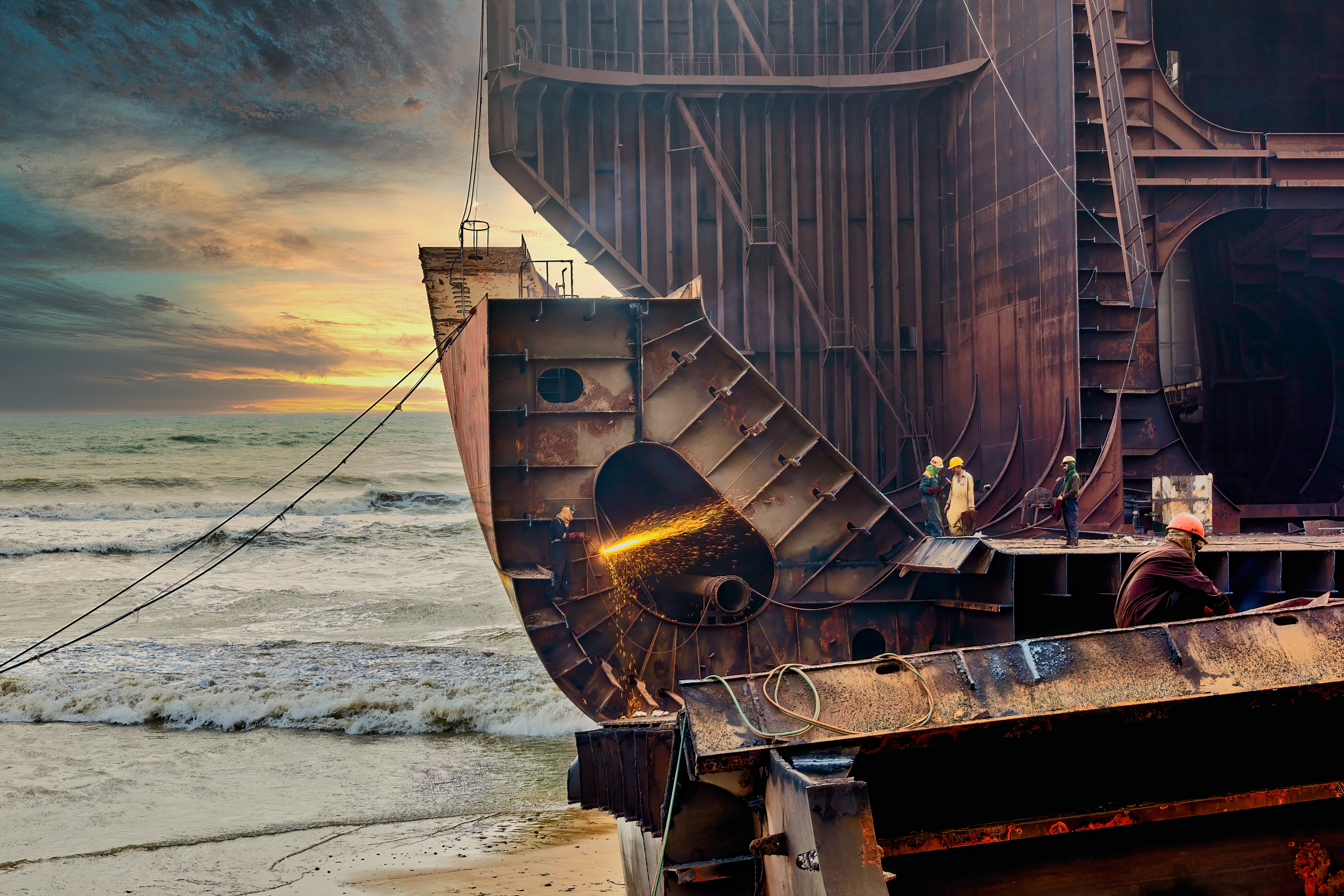
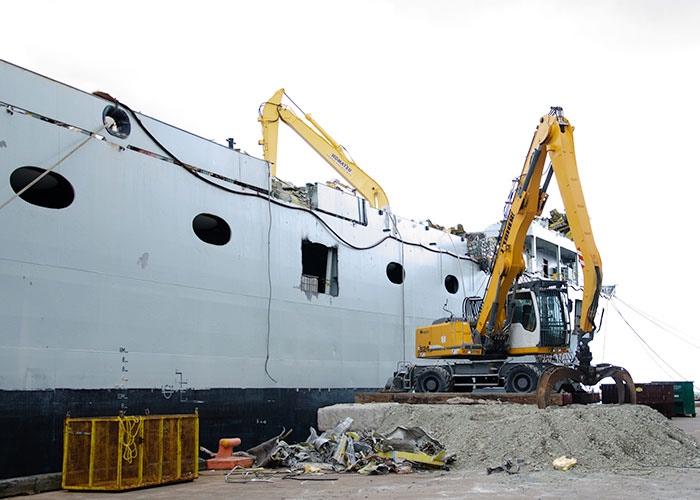
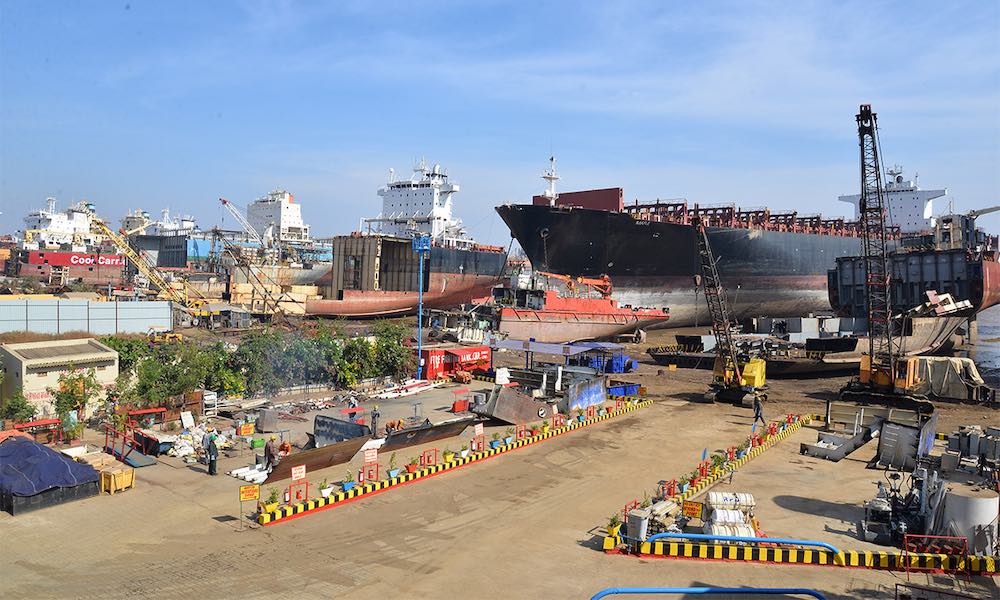
The International Maritime Organisation’s (IMO) definition of The Hong Kong Convention is as follows: ‘The Hong Kong Convention for the Safe and Environmentally Sound Recycling of Ships, 2009, is aimed at ensuring that ships, when being recycled after reaching the end of their operational lives, do not pose any unnecessary risks to human health, safety and to the environment’. This Convention came into force in June 2025. Image for representation purposes only At the end of their operational lives, ships are stripped, and materials and equipment that can be reused are extracted. Besides being energy efficient and saving costs, it is environmentally safe, instead of letting hazardous materials float around in our ecosystem. Regulations outlined under the Hong Kong Convention state safe working practices and environment for the workforce involved in ship recycling. It covers the design, construction, and method of operation of ships so that later on, at the time of recycling, it does not compromise the safety of the workforce, nor does it contaminate the environment. The Convention set in place a method for the safe recycling of ships that are supported by certifications and reporting requirements. The Hong Kong diplomatic conference convened by the IMO was first held in Hong Kong in May 2009 to discuss the safe as well as economical disposal or recycling of sailing ships and to set global standards. After ensuring that the required statutory requirements were met, it came into force in June 2025. Since then, the IMO’s technical body, the Marine Environment Protection Committee [MEPC], has adopted various guidelines to assist member states in implementing and enforcing the Hong Kong Conference’s technical standards. The IMO’s role was first raised at the MEPC session held in March 2000. Later on, as per the request of the IMO, the MEPC developed an instrument that provided regulations for the design, construction, and operations of ships so that, at the time of ship recycling, it would not cause any concerns to human or environmental health. It also included the safe location of ship recycling facilities, reporting requirements, and certification. The Marine Environment Protection Committee (MEPC) The MEPC has the responsibility for adopting and amending, as necessary, regulations concerning the prevention and control of pollution caused by sailing vessels. These guidelines include: 2011 Guidelines for the Development of the Ship Recycling Plan, adopted by resolution. 2012 Guidelines for Safe and Environmentally Sound Ship Recycling, adopted by resolution. 2012 Guidelines for the Authorisation of Ship Recycling Facilities, adopted by resolution. 2012 Guidelines for the survey and certification of ships under the Hong Kong Convention, adopted by resolution. 2012 Guidelines for the inspection of ships under the Hong Kong Convention, adopted by resolution. 2023 Guidelines for the development of the Inventory of the Hazardous Materials, adopted by resolution. To be compliant with the Convention, ships must have on board an updated list of hazardous materials that are carried on board that particular ship, in line with IMO guidelines. Image Credits: Marine Insight. It is mandatory to have ongoing surveys and a final survey just before the vessel goes for the ship recycling process. Ships owned by a party to the Convention can only be recycled at authorised ship recycling yards that follow all standards set forth under the Hong Kong Convention.
The Hong Kong Convention (2009)

Marine Insight
Read full article at Marine Insight →
Opens Marine Insight in a new tab