news Tanker Geopolitical riskCompliance & regulation Splash247
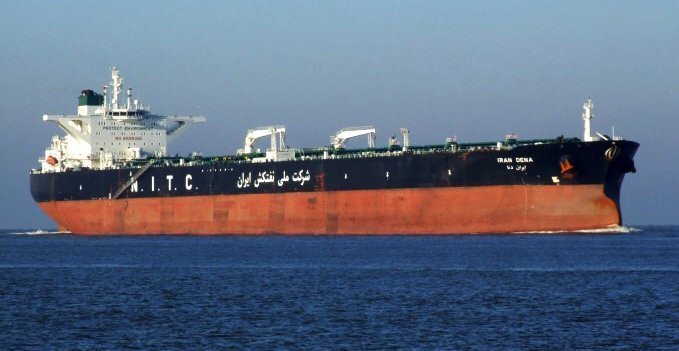
Tankers China and India, Russia’s two largest crude buyers, paused purchases last week following new US, UK and EU sanctions on Rosneft and Lukoil, something that analysts believe is great news for owners of compliant tankers. The sanctions have reopened the arbitrage from the Atlantic to the Pacific, according to analysis from Poten. This, says Poten, will drive additional ton-mile demand, which will push freight rates higher, in particular for VLCCs. An analysis from Vortexa shows that sanctioned oil from Russia and Iran are the main reason for the record levels of oil on the water. “The additional sanctions will only make this situation worse, with the dark fleet increasingly becoming a source of floating storage. This is music to the ears of the mainstream tanker owners, who are already benefitting from increasing market inefficiencies,” Poten suggested in its latest weekly report. “Increased demand for non-sanctioned barrels from India is likely, with cargoes sourced from the Middle East and the Atlantic. Mainstream tankers, and especially VLCCs stand to benefit here, particularly if cargoes are sourced long haul from West of Suez,” analysis from rival broker Gibson suggested. However, Gibson warned greater volumes of Russian barrels may be diverted into sanctioned and/or independent refineries in China, and these increases into China could be met with a reduction from other sources, negatively impacting freight markets. Overall, shipping experts at Jefferies, like many other tanker analysts, see Trump’s sanctions as positive for tankers as they create further disruption potential and stretch the compliant tanker fleet further. Dry Bulk China’s soybean pivot to South America is reshaping dry bulk trade flows. Signal Ocean data shows that not a single US-origin cargo was discharged at Chinese ports in September — the first such month since 2018. The collapse in American shipments, which peaked at 4.1m tonnes in January before falling to zero by September, underscores how trade frictions and cost competitiveness have redrawn grain shipping routes. “South America has completely filled the gap,” Signal Ocean analysts reported, noting that Argentine exports surged nearly 320% year-on-year in September to 1.5m tonnes, buoyed by a weaker peso and temporary tax relief. October volumes are projected to hit 2.3m tonnes. Meanwhile, Brazil maintained dominant flows of 10m to 11m tonnes per month through the second and third quarters, leveraging an extended export window and robust port infrastructure, even as September volumes dipped 22.8% month-on-month. The shift is already reverberating through the dry bulk market. According to Commodore Research & Consultancy, the full effects of China’s halt on US soybean imports “have not yet been fully felt,” as total U.S. exports remain higher year on year. “As the weeks and months progress, though, the impact of China not buying any US soybean exports will start to have a very significant impact on the dry bulk market,” Commodore stated, warning of lower tonne-miles as long-haul US–China voyages give way to shorter South American routes. CBOT soybean futures have climbed to a one-month high amid speculation of renewed US–China trade talks. Analysts say any rebound in US exports will depend on diplomacy — and on whether China’s Q4 buying spree overwhelms South American port capacity. Containers The containership recycling overhang is estimated at a minimum of 1.8m teu, according to new analysis from BI
Analyst Abstract

Splash247
Read full article at Splash247 →
Opens Splash247 in a new tab