news Geopolitical risk Splash247
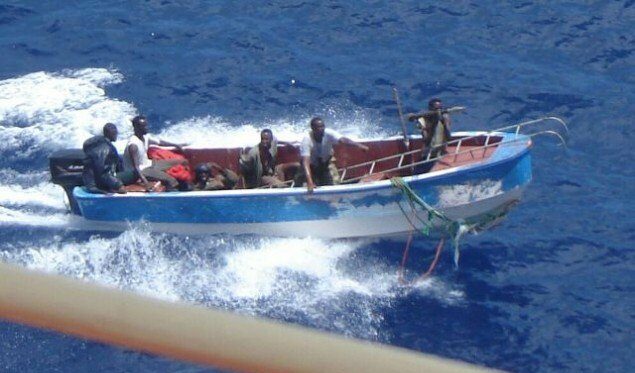
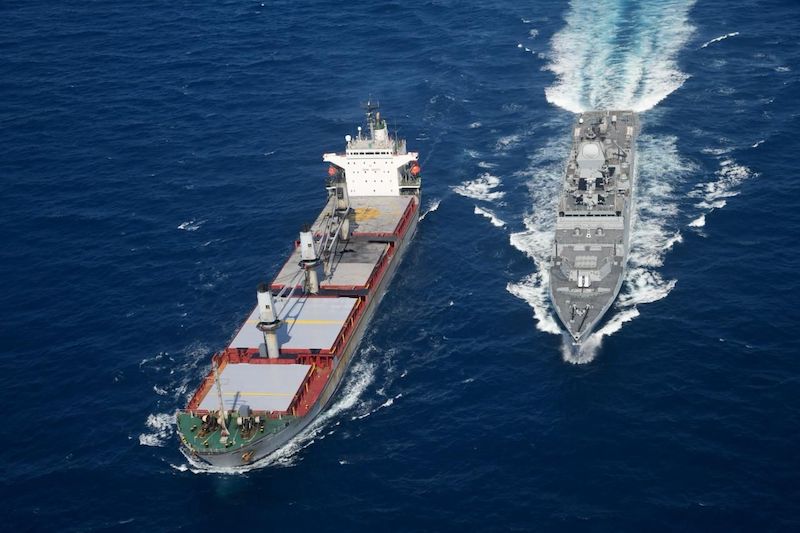
The resurgence of piracy off the Horn of Africa, alongside geopolitical instability in the Red Sea and Gulf of Aden, underscores the persistent and evolving nature of maritime security threats. A proactive approach is essential to safeguard crews, vessels, and cargo, writes Enam Hussain, head of Middle East operations and offshore at West P&I. Following the declassification of the Indian Ocean high-risk area in early 2023, pirates have resumed operations with greater reach and sophistication, leveraging advanced technology, military-grade equipment, and intelligence on ransom negotiations. Recent hijackings, such as the Ruen, which was later repurposed as a mothership for further attacks, demonstrate how piracy networks are evolving. Similarly, the Abdullah case highlighted the complex negotiations involved in securing a crew’s release. Beyond piracy, geopolitical conflicts have heightened risks for commercial vessels. The Red Sea and Gulf of Aden have seen an increase in drone, missile, and waterborne explosive attacks, disrupting trade and elevating security concerns. The targeting of merchant ships based on perceived national affiliations has exacerbated regional instability. While ceasefires may reduce immediate hostilities, long-term security remains uncertain, requiring sustained vigilance. Proactive security measures To mitigate these risks, shipowners must adopt a multi-layered security strategy. The Best Management Practices to Deter Piracy and Enhance Maritime Security (BMP5) remain a crucial resource, advocating enhanced vigilance, evasive manoeuvres, and vessel hardening measures such as reinforced bridge protection, water jets, and physical barriers. Deploying armed security personnel where feasible further strengthens deterrence. Equally important is comprehensive crew training. Ensuring personnel are well-versed in emergency protocols, citadel procedures, distress signal activation, and crisis response strategies enhances onboard preparedness. Additionally, real-time access to security intelligence and threat assessments via digital platforms like Neptune enables shipowners to make informed decisions, adjusting routes and operations accordingly. Insurance and contractual considerations Given the evolving risk environment, shipowners should reassess their insurance coverage to ensure adequate protection against piracy and war-related incidents. Standard P&I policies may not cover the full scope of potential threats, but tailored solutions such as West’s Kidnap & Ransom (K&R) insurance and specialised piracy protection policies provide critical financial and operational support for ransom payments, crew repatriation, emergency crisis management, and more. Ensuring legal clarity and protection through contractual obligations within charterparty agreements also plays a key role in risk mitigation. Clauses such as BIMCO’s Conwartime 2013 provide flexibility, allowing vessel operators to refuse orders that expose them to war risks, reducing liability and operational uncertainty. Crisis management and response When an incident occurs, rapid and coordinated action is essential to mitigate risks and ensure crew safety. Case studies reveal stark contrasts in outcomes based on response effectiveness. The prolonged captivity of the Ruen before naval intervention underscored the challenges posed by delayed action and protracted negotiations, whereas the Abdullah case saw a swifter resolution, aided by expert crisis management and nego
Mitigating maritime security risks in high-risk zones
Splash247
Read full article at Splash247 →
Opens Splash247 in a new tab