pi_circular Compliance & regulationCargo risk NorthStandard
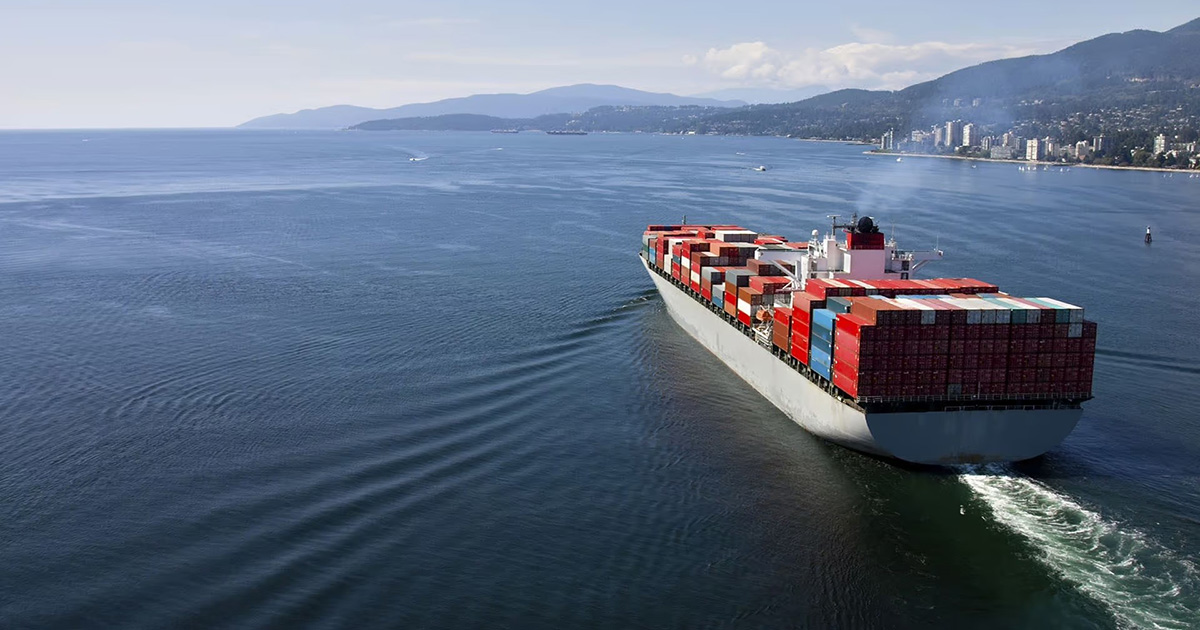
19 February 2026The Sub-Committee on Pollution Prevention and Response held its 13th session at IMO Headquarters in London (in-person with hybrid participation) from 9 to 13 February 2026.The Sub-Committee agreed to the draft 2026 Strategy and the Action Plan to Address Marine Plastic Litter from Ships, with a view to adoption by the Marine Environment Protection Committee at its next session (MEPC 84) in April 2026.On the topic of plastic pellets, the development of a new Code on the transport of plastic pellets was recommended.The Sub-Committee discussed which legal instruments could be used to introduce mandatory measures to reduce the environmental risks of plastic pellets transported by sea in freight containers.The Sub-Committee invited the Marine Environment Protection Committee (MEPC 84) to consider its recommendation that a new code on the maritime transport of plastic pellets in freight containers be developed and made mandatory under MARPOL Annex III and/or SOLAS. For more information on other topics discussed at the meeting, read the meeting summary here.17 May 2024Plastic pellets, also known as nurdles, are small granules of plastic used as raw material in the production of plastic products. They pose significant environmental hazards when spilled into the environment, particularly marine environments.IMO began addressing the issue of the transport of plastic pellets following the X-Press Pearl incident off the coast of Sri Lanka in February 2021. Following a fire onboard and subsequent sinking of the ship, pellets were released into the marine environment and several tonnes of pellets washed ashore.Recommendations on transporting plastic pellets include:Plastic pellets should be packed in good quality packaging which should be strong enough to withstand the shocks and loadings normally encountered during transport. Packaging should be constructed and closed to prevent any loss of contents which may be caused under normal conditions of transport, by vibration or acceleration forces.Transport information should clearly identify those freight containers containing plastic pellets. The shipper should supplement the cargo information with a special stowage request for proper stowage.Freight containers containing plastic pellets should be properly stowed and secured to minimize the hazards to the marine environment without impairing the safety of the ship and persons on board. Specifically, they should be stowed under deck wherever reasonably practicable, or inboard in sheltered areas of exposed decks.Read the recommendations circular here.Draft guidelines on the clean up of plastic pellets from ship-source spills were discussed during the 11th session of IMO Sub-committee on Pollution Prevention and Response (PPR).Read the draft guidelines on clean-up of plastic pellets here.For more on IMO’s work on marine plastic litter, read here.
IMO developing guidance on plastic pellets
NorthStandard
Read full article at NorthStandard →
Opens NorthStandard in a new tab