news Operational risk Marine Insight
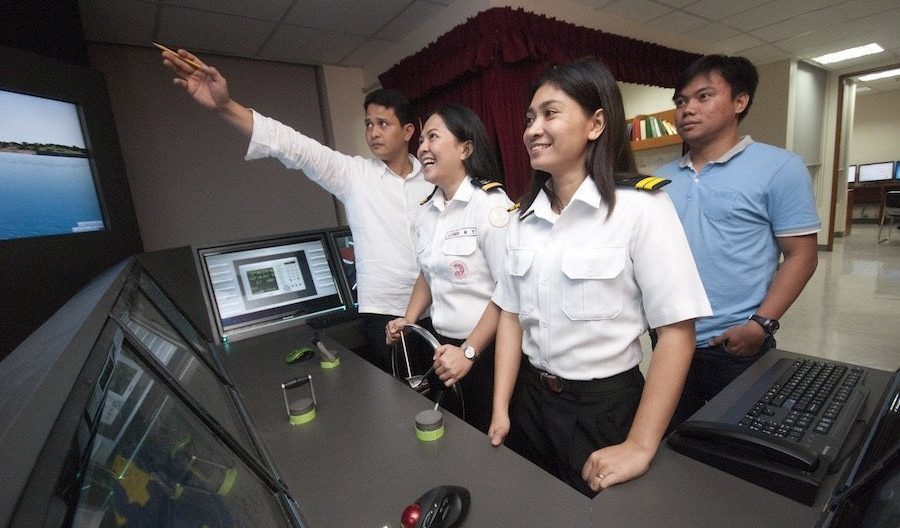
Maritime Resource Management (MRM) is a training program built on the most advanced research in human factors and resource management. It helps prevent accidents at sea caused due to human and organisational mistakes. It began in 1993 as Bridge Resource Management. It can be defined as using and coordinating skills, knowledge, resources, and experience available to a team to achieve efficiency and safety goals on a sea voyage. The program seeks to encourage a team to make major changes in behaviour during daily onboard operations to establish safe attitudes and safe organisational cultures, including good management, teamwork and the ability to accept personal responsibility to bring about desired changes. The goal is to enhance safety, efficiency and job satisfaction and establish a just culture in the maritime industry. History of Maritime Resource Management Bridge Resource Management originated from the advent of safety training in the aviation industry. NASA investigators examined the causes of aircraft crashes in 1979 and after the deadliest aviation disaster, the Tenerife airport accident in 1977 in which 583 died, NASA developed a new training method for flight crews focussing on self and situational awareness, interpersonal communication and decision-making. This was necessary as the accident was a result of bad weather coupled with stress, miscommunication, lack of monitoring and other errors on the part of the flight crew. The training became an intrinsic part of aviation safety and due to its success in enhancing flight safety, the aviation sector’s cockpit resource management was brought into maritime as bridge resource management, called Maritime Resource Management from 2003 onwards. Advantages of Maritime Resource Management It has been proven that most shipboard accidents or dangerous situations arise due to poor communication, lack of coordination, misunderstandings, etc, rather than technical failures or inexperience. This is why MRM tries to foster a positive attitude, good communication, leadership and compliance with the established processes. The knowledge from MRM helps know the root cause of accidents and how to prevent them from happening in the future. MRM does not promise a sudden or overnight change as attitudes and behaviours are the most difficult to change in people but offers long-term benefits. Some benefits of MRM include: Reduction in accidents Increased situation awareness Effective management of available resources Improves communication Provides tools to perform successful briefings and clear planning Minimise complacency Ensure effective implementation of operating procedures How does MRM Work? An MRM program has a long-lasting impact on the participants beyond the training session such as fostering improved communication skills, better stress and work pressure management. Hence, a workforce with a sharper focus helps prevent minor errors that could lead to catastrophic events. MRM Training MRM training focuses on the development of soft skills or non-technical knowledge. So people in different positions or ranks take part in the same training, covering the same course and its objectives. The goal is to remove obstacles between people, departments and ships and foster effective and clear communication to establish a culture of safety in the workplace. MRM training also states that there is a correlation between the attitudes and behaviours of seafarers and their respective cultures. The training f
What is Maritime Resource Management?

Marine Insight
Read full article at Marine Insight →
Opens Marine Insight in a new tab