news Safety & casualty Splash247
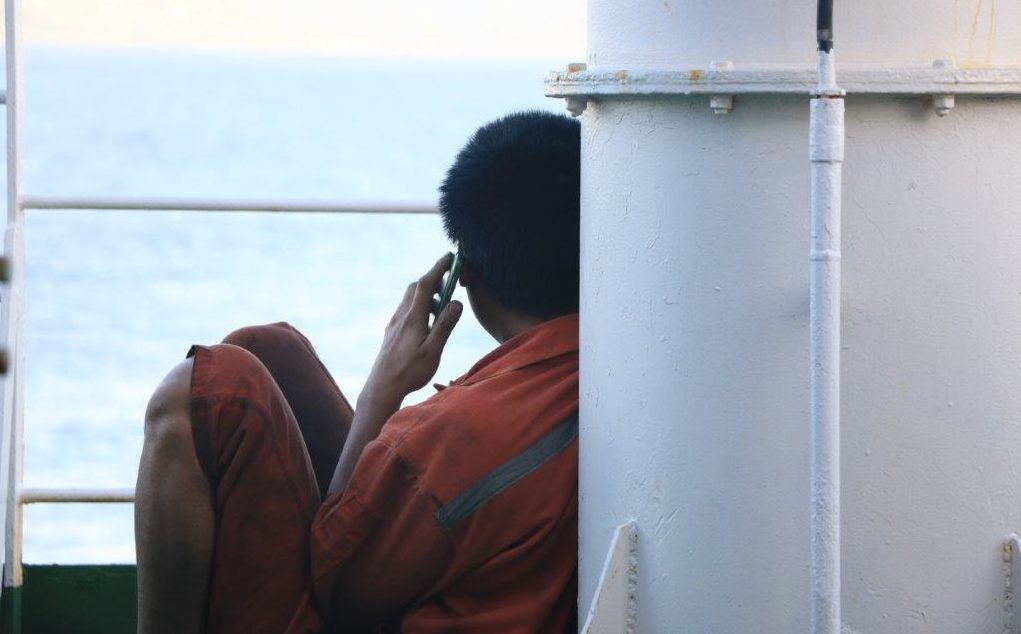
Seafarers are not hiding their health because they don’t care, but because the system gives them no privacy, argues Doctor Jens Tülsner, CEO of Marine Medical Solutions in this exclusive for Splash. There is a growing tendency in shipping to assume that younger seafarers are somehow more reluctant to speak up about health concerns, as if this were a question of resilience, confidence, or willingness to cope with discomfort. From where I see it as a medical professional, that interpretation does not stand up to reality. This generation is, in many respects, more aware of its health than any before it. Younger seafarers pay attention to symptoms, understand the importance of early intervention, and are generally far more conscious of long-term wellbeing. Where they differ is in how they seek reassurance and answers. As digital natives, their instinct is often to research first, to read widely, and to try to make sense of a problem privately before deciding whether it needs to be escalated. That behaviour is not careless, and it is certainly not a lack of responsibility. It is simply a reflection of how people now engage with health information more broadly. What actually holds many seafarers back from reporting issues early is something far more structural. There is still no meaningful guarantee of medical confidentiality onboard. In practice, a seafarer rarely has the option of contacting a doctor discreetly. The established route almost always runs through the Captain or a senior officer, which means that a personal medical concern must first be disclosed to a superior, often discussed in operational terms, and then passed along through several layers before it ever reaches a medical professional. By that stage, what should have been a private conversation has already become shared knowledge. From the shore-side medical perspective, this remains one of the most difficult aspects of providing support to crews. Even relatively minor or highly personal issues can end up being circulated to a wide group of people, many of whom have no medical background and no real need to be involved. When seafarers know that seeking advice may result in their condition being discussed openly, copied into emails, or informally shared onboard, hesitation is a very rational response. This has nothing to do with distrust of doctors. It is about self-protection. The situation is further shaped by the fact that Captains and officers, understandably, sit across a broad range when it comes to how they approach medical matters. Some are extremely cautious and prefer to escalate at the earliest opportunity. Others are confident in their judgement and will try to manage issues onboard for as long as possible. Neither approach is inherently right or wrong, but for the individual seafarer, the experience can vary significantly depending on who is in command and how they respond to a concern being raised. The outcome is one we see repeatedly: symptoms are minimised while problems are self-managed. Online searches and informal advice are used in place of professional input. Conditions that could have been addressed early and easily are allowed to develop into something more serious, creating greater risk for the individual and for the vessel as a whole. The industry speaks increasingly about wellbeing, duty of care, and the importance of supporting crews, yet it has still not addressed one of the most basic foundations of medical care, which is confidentiality. We now h
Crew wellbeing stalled by shipboard medical privacy failures

Splash247
Read full article at Splash247 →
Opens Splash247 in a new tab