casualty_report TankerContainer Safety & casualtyOperational risk Marine Insight
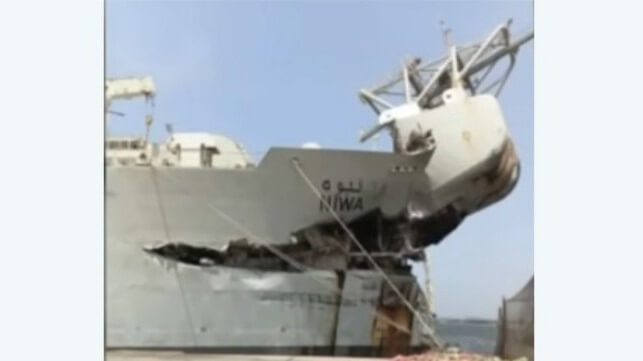
A container vessel was leaving port in the darkness under the command of a pilot. The third officer and the Master were also on the bridge, and a helmsman was steering by hand. On leaving the container ship, the pilot was scheduled to embark on an inbound tanker near the entrance of the buoyed port channel. The tanker was approaching the entrance to the port channel and preparing to pick up the pilot. The Master, the OOW and a helmsman steering in hand mode were on the bridge. The tanker was about one nautical mile (1nm) from No 1 buoy, making 126° COG at about 2kt. At about this time the port control authority was in an unrelated communication with a tug and had instructed the tug to ‘cross 1nm astern of the tanker’. The tanker’s Master heard part of this radio exchange and assumed that port control was talking to the outbound container ship in relation to his ship. Image Credits: nautinst.org The Master of the tanker assessed that to pass astern of his vessel, the container ship would alter course to port on clearing the channel. As the outbound container vessel was approaching No 3 buoy, the pilot and the Master discussed the pilot’s disembarkation. The tanker was visible from the container vessel’s bridge in addition to showing on the radar displays, but it was not acquired as an ARPA target. Just before disembarking the container ship, the pilot advised the Master to reduce speed to 10kt and to maintain 314° COG. By eye, the container vessel’s Master estimated that the tanker would pass down his ship’s port side at a distance of 1.5 cables. As the container vessel passed between the No. 2 buoys, the pilot launch with the pilot on board cleared the container vessel and headed towards the tanker. The container vessel’s Master then increased the engine speed. As the container vessel passed between the No. 1 buoys, its speed was about 11kt. The tanker’s Master saw the outbound container vessel pass between the No. 1 buoys and became concerned that the vessel had not altered to port as he had expected. He called VTS port control on the VHF radio to inquire. At this point, the pilot was still on the launch after having left the container ship. Shortly thereafter, the two vessels, now both 4 cables from the entrance to the buoyed channel and near the centreline, collided bow to bow. The official investigation found, among other things: The tanker Master’s reliance on scanty VHF information and the failure of the container vessel’s Master to keep a proper lookout and monitor the tanker’s movement were pivotal to this accident. A lack of an agreed plan and absence of effective communication, co-ordination and monitoring were significant factors, which contributed to the flaws in both Master’s situational awareness. On this occasion, the precautions of pilotage and port control, which should have been able to manage and de-conflict the vessels’ movements, were ineffective. The pilot’s failure to co-ordinate and communicate the passing arrangements for the two vessels was a significant omission; he was the assigned pilot for both ships. Although both Masters were aware of the other vessel, the plan for the meeting of the vessels remained ambiguous. Reference: nautinst.org Disclaimer : The information on this website is for general purposes only. While efforts are made to ensure accuracy, we make no warranties of any kind regarding completeness, reliability, or suitability. Any reliance you place on such information is at your own risk. We are
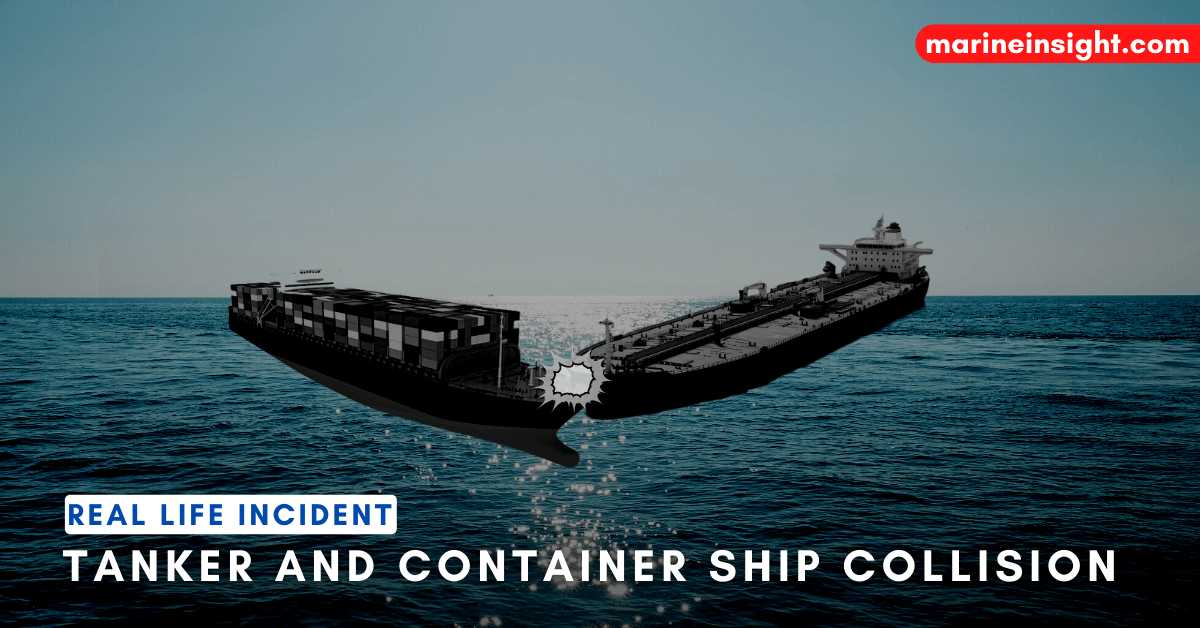
Real Life Incident: Improper Communication Leads to Tanker And Container Ship Collision
Marine Insight
Read full article at Marine Insight →
Opens Marine Insight in a new tab