news LNG / LPG Geopolitical riskMarkets & trade Hellenic Shipping News
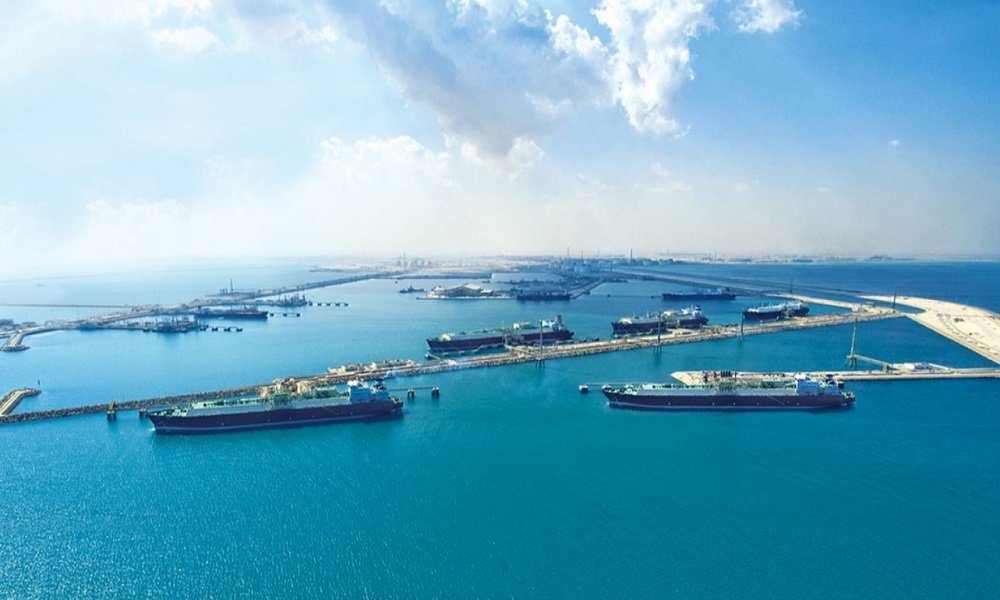
From Supply Disruption to Transit Disruption: What April Reveals About the Global LNG Shock in International Shipping News 29/04/2026 What appeared in March 2026 as a supply shock in global LNG markets has, by April, evolved into a broader transit disruption affecting the physical movement of gas through the Strait of Hormuz. Damage to Qatari infrastructure has reduced Qatar’s LNG export capacity by ~17%, tightening global supply, though the global shortfall is smaller and partly offset by other exporters. The United States has emerged as the primary alternative supplier, while Asia absorbs the most acute impacts and Europe faces growing indirect pressure heading into the refill season. Key figures at a glance: >2 bcm/week LNG flows lost from Qatar & UAE ~17% reduction in Qatari LNG exports (~3–5% global impact) $20bn/yr estimated annual Qatari revenue loss The Shift: From Supply Shock to Transit Disruption The global LNG crisis that began in early March with damage to Qatari export facilities has since expanded in scope. While reduced production remains a factor, the more acute challenge is now the ability to physically move cargoes through the Strait of Hormuz. According to the International Energy Agency, disruptions have reduced LNG flows by an estimated ~2 bcm per week (≈10 Bcf/d equivalent), though this reflects regional export constraints rather than a direct loss of global supply. LNG Flows: Export data from Signal Ocean LNG flows indicates that Arabian Gulf exports have fallen sharply to low levels in recent weeks, pointing to a severe disruption in normal trade flows. AIS Signals: Vessel tracking data from AXS Marine shows a growing proportion of vessels appear to have AIS signals switched off or potentially spoofed. Vessels Passing the Strait of Hormuz Vessel tracking data from AXS Marine shows the disruption is no longer limited to supply availability but extends to the physical movement of cargoes through the corridor. Only one LNG vessel transit was visible in the available AIS dataset during the period of escalation. Infrastructure Damage and Force Majeure The supply disruption is compounded by severe damage to Qatar’s export infrastructure. Approximately 17% of Qatar’s LNG export capacity has been affected following damage to liquefaction facilities at Ras Laffan, according to QatarEnergy leadership cited in Reuters. Repair timelines are estimated at three to five years, with potential annual revenue losses of around USD 20 billion. In response to these conditions, QatarEnergy has declared force majeure on portions of its long-term LNG supply contracts. According to statements attributed to leadership within the Gas Exporting Countries Forum, a full global gas market recovery could take between six months and one year under stable geopolitical conditions, although such projections remain highly contingent on geopolitical developments. The United States ad the Primary Balancing Supplier Following force majeure declarations and cargo cancellations, buyers have increasingly turned to alternative sources. The United States has emerged as the primary balancing supplier, with a current peak export capacity of approximately 18.3 Bcf/d. Key capacity additions expected to come online or ramp up during 2026 include: Corpus Christi Stage 3 (Cheniere Energy) Additional Golden Pass LNG trains (QatarEnergy – ExxonMobil joint venture, Sabine Pass, Texas) Port Arthur LNG Phase 1 Rio Grande LNG The IEA anticipates U.S. LNG export termina
From Supply Disruption to Transit Disruption: What April Reveals About the Global LNG Shock
Hellenic Shipping News
Read full article at Hellenic Shipping News →
Opens Hellenic Shipping News in a new tab