news Compliance & regulationOperational risk Splash247
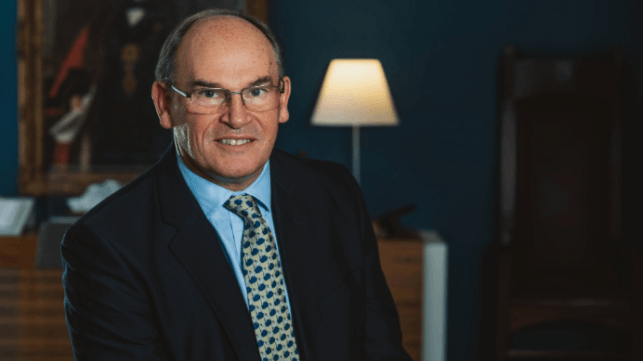
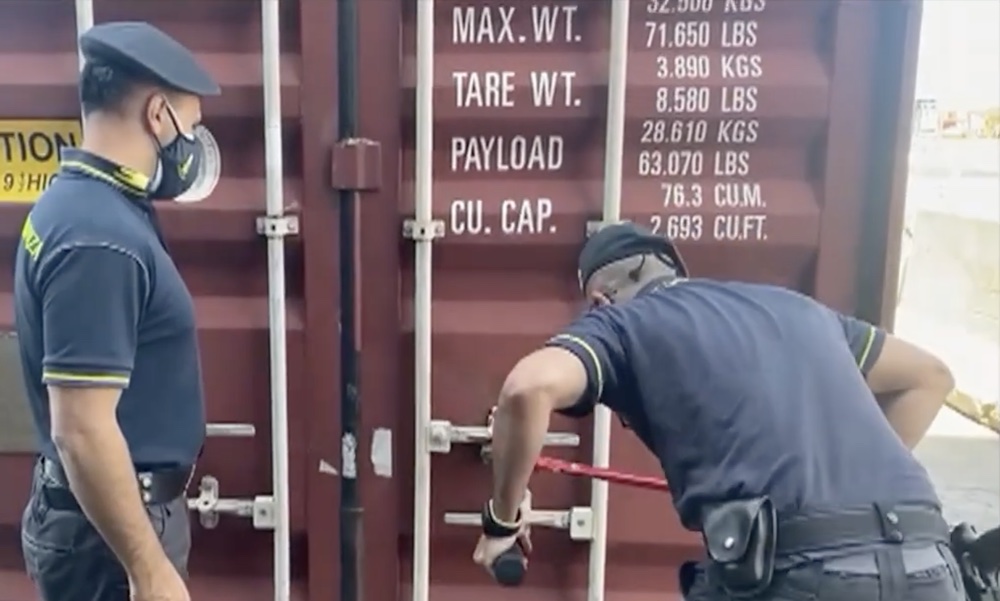
With Belgium holding the six-month presidency of the council of the European Union, the government has wasted little time in taking its next step in the fight against drugs cartels across the continent’s ports, with Antwerp widely seen as the epicentre for the cocaine trades. The European Union along with port authorities and many associations including Europol, and customs and law enforcement authorities yesterday launched the European Ports Alliance Public Private Partnership. The partnership aims to bring all relevant stakeholders together, to form solutions to protect ports from drug trafficking and criminal infiltration. The violent consequences of drug trafficking are as big as the threat of terrorism “Europe has a drug problem – and it is getting worse,” said Paolo Gentiloni, the EU’s commissioner for economy. “To tackle the growing inflows of cocaine and other illicit substances into the EU, we need customs, law enforcement and port authorities to work more closely and more effectively together.” Seizures of cocaine in the EU are at record levels, with more than 300 tonnes seized on an annual basis in recent years. In Belgium alone, authorities seized a record 121 metric tonnes of cocaine at the Port of Antwerp-Bruges in 2023, a 10% increase from the previous year. The new European Ports Alliance aims at mobilising the customs community against drugs trafficking to strengthen risk management and more targeted and effective controls in ports as well as strengthening law enforcement operations in ports and against the criminal organisations orchestrating drugs trafficking with support from Europol, Eurojust, the European Public Prosecutor’s Office and through dedicated actions within the European Multidisciplinary Platform Against Criminal Threats. A public private partnership is also being established to support port authorities and private shipping companies in their role in the fight against drug trafficking and criminal infiltration. It will focus on identifying vulnerabilities, sharing best practices and finding practical solutions to strengthen port security. It will address intimidation, corruption and criminal infiltration in ports, through the implementation of international and EU security standards and cooperation between law enforcement and customs with public and private operators working in the ports. “Organised crime is adept at moving from one port to another, as opportunities rise and fall. To challenge this network we must build a network. The violent consequences of drug trafficking are as big as the threat of terrorism,” commented Ylva Johansson, the EU’s commissioner for home affairs. Following the launch event, the partnership will meet annually at ministerial level, to identify remaining challenges, set strategic priorities and exchange on progress made. Senior official meetings will take place to prepare and follow up on the priorities set by the annual ministerial meeting. According to the International Chamber of Shipping, nearly 90% of all cocaine, 45% of all cannabis, and 30% of all amphetamine-type stimulants are trafficked by sea. googletag.cmd.push(function() { googletag.display('div-gpt-ad-1_95_0_1_2'); });
Europe seeks port solutions to staunch cocaine epidemic
Splash247
Read full article at Splash247 →
Opens Splash247 in a new tab