news Operational riskCompliance & regulation Marine Insight
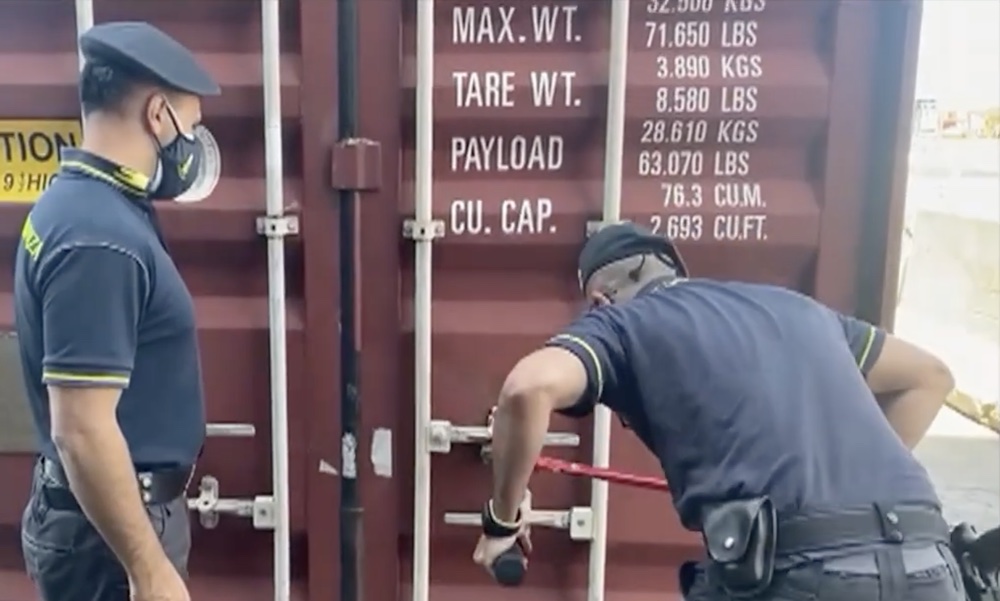
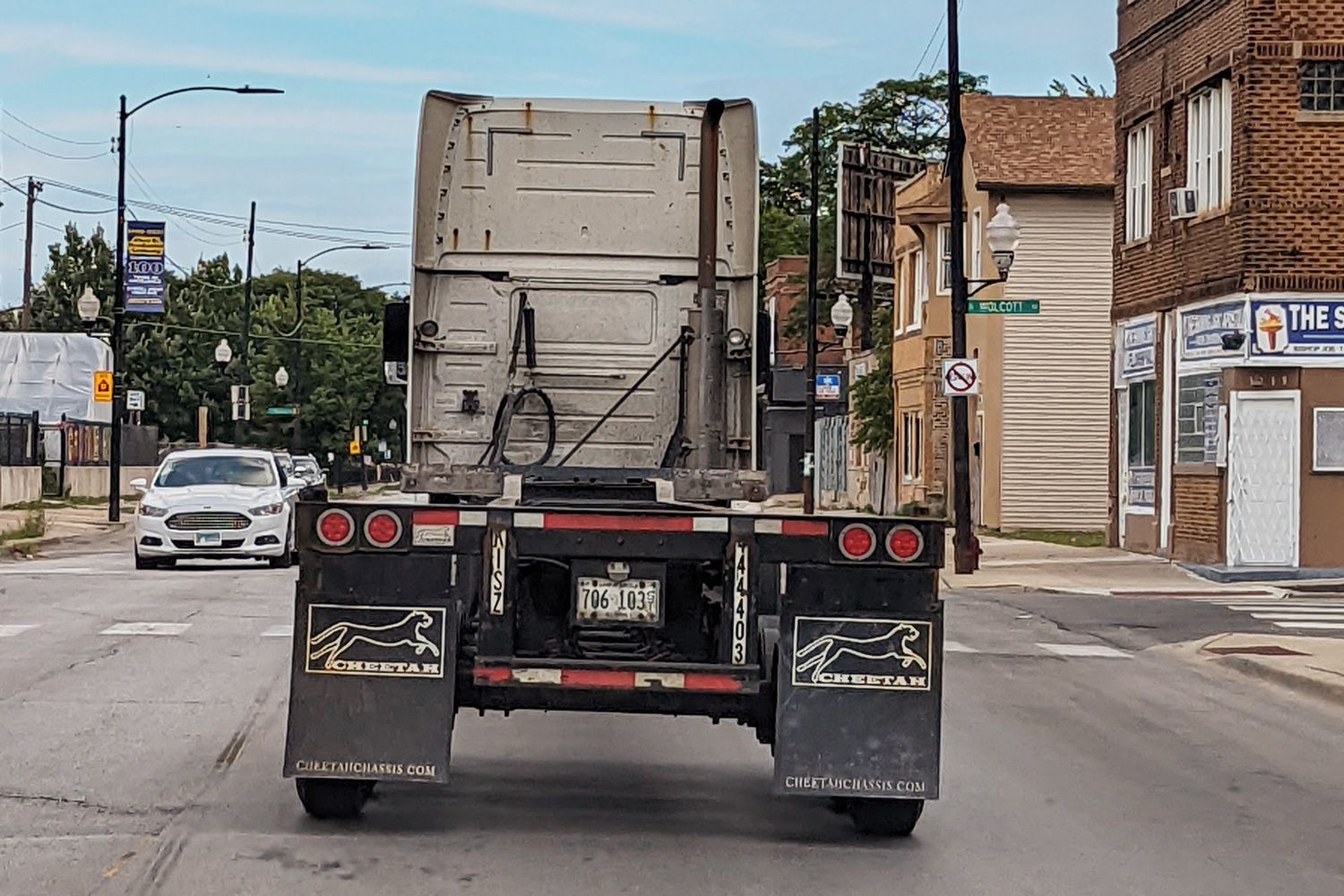
Defence ports are among the most secure locations in any country. Rightfully so, they are home to a nation’s naval vessels, defence armaments, offices, and personnel. They are guarded around the clock by well-trained forces using sophisticated surveillance equipment and weapons. What about commercial ports? Do they require security? With billions of dollars worth of goods flowing through such ports annually, the answer is yes. Commercial ports are the gateway to a nation and its supply chain. They are spread over vast areas, and the need for safety and security is as important. Image for representation purposes only. Modern commercial seaports of developed nations channel a majority of the country’s trade flow – both exports and imports, besides catering to passenger traffic. The global economy is dependent on safe and secure commercial ports. Port security is a subset of overall maritime security that is concerned with the security of vessels on high seas. Port security is often viewed as mainly controlling the risks within the immediate port premises. However, in most cases, it also covers the coastal area around the seaport. Trespassing and accessing restricted areas within ports is the most common offence. Goods stored within warehouses located inside a port are often subject to theft or pilferage. Well-planned data thefts, piracies, sabotage, smuggling, terrorism, human as well as drug trafficking, and incidents of vandalism are carried out by criminals. Cyberattacks pose serious threats to a port. Hackers can cripple the activities of the seaport, cause widespread destruction, and steal critical data using malware. Therefore, a robust system of physical as well as software security is necessary to prevent such incidents. An efficient security setup not only ensures protection from such threats but also compliance with port regulations. With a burgeoning global economy, the demand for services from the Customs, security, and immigration departments has increased manifold. The number of people who travel has increased drastically. Contraband and human smuggling pose a huge challenge to our customs and security forces. Human smuggling is the reason for several deaths and human rights violations, especially in the case of people trying to escape violence, war, and poverty in their own countries. Smugglers come out with novel ways to beat the law and that makes it difficult for security agencies to catch the perpetrators of these crimes. Some nations have come to recognize the Customs, security, and immigration departments as part of their port security apparatus. The Role of Customs Department The primary role of any Customs department is to collect duties on imports and exports in accordance with the country’s Customs Tariff Act. The department enforces prohibitions and restrictions on the import and export of goods according to the laws passed in that country as well as various international Customs Conventions and procedures. The Customs department of a country works to prevent the smuggling of contraband, drugs, and humans. The World Customs Organization (WCO), headquartered in Brussels, is an intergovernmental agency that publishes the Framework of Standards to Secure and Facilitate Global Trade (SAFE). This non-binding document provides guidelines and standards for member nations to meet various customs security functions. The latest edition of the SAFE document was published in 2021. Port Security Commercial ports spread over v
Security Management of Commercial Ports

Marine Insight
Read full article at Marine Insight →
Opens Marine Insight in a new tab