pi_circular Compliance & regulationInsurance & claims Skuld
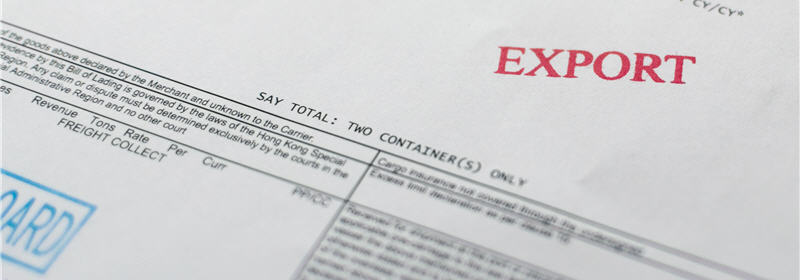
Some practical guidelines on how owners can minimise the risks connected with switching bills. Credit to: Henke Grankvist / Shutterstock.com Background Skuld often receives queries from owner members who are requested to switch bills of lading. Although the practice is widespread, there is much confusion with regards to whether owners can comply with such request, how new bills should be issued, and whether P&I cover is at risk. This article aims to highlight a few of the concerns owners should have for complying with switch bills requests, and we will seek to provide some practical guidelines on how owners can minimise the risks connected with switching bills. Concerns with switching bills The normal practice, albeit with countless variations, is that a bill of lading will be signed by or on behalf of the master and issued to the shipper once a cargo has been loaded on board the vessel. The shipper will, against payment for the goods, transfer the bill to the consignee, who at discharge port will present the same bill to the carrier and claim delivery of the cargo. By switching bills of lading, the net result is that the bill of lading which is presented at the discharge port is not the same as the bill which was issued at the loading port. This should cause a number of concerns for a prudent owner, and we will discuss three of the main ones here. Increased risk of misdelivery claims The increased risk of misdelivering the cargo is perhaps the most common reason why owners are warned against agreeing to switch bill requests. If new bills are issued before the original set is cancelled and returned, there will be multiple bills of lading in circulation covering the same cargo. This is a horrible situation for an owner to be in. If a dishonest shipper has sold the goods twice over, two different consignees may be waving a bill of lading at the quayside claiming delivery of the same cargo, and the carrier may face a shortage claim equal to the full value of the ca
Switch bills of lading
Skuld
Read full article at Skuld →
Opens Skuld in a new tab