news Tanker Markets & tradeGeopolitical risk Hellenic Shipping News
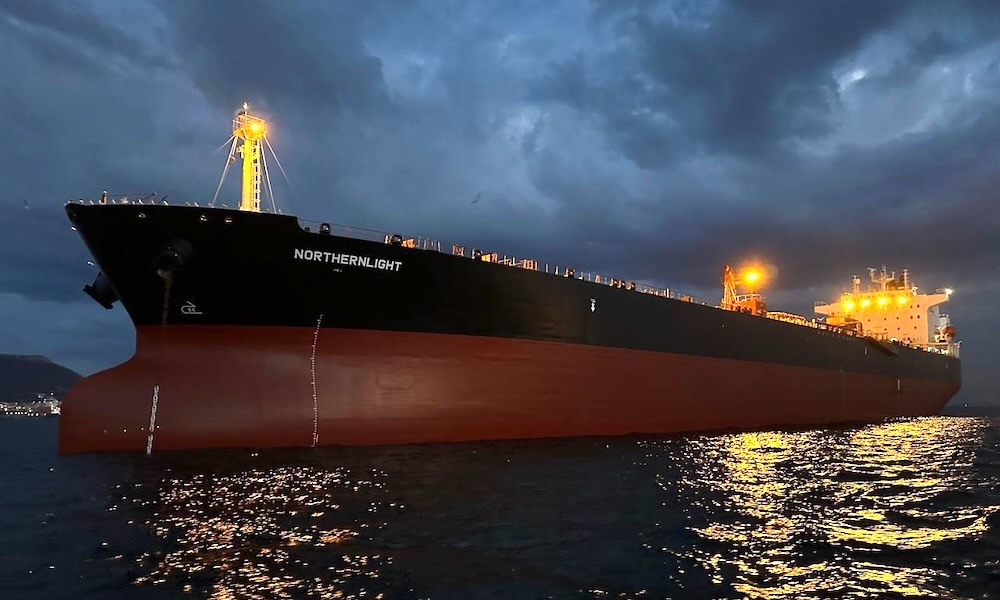
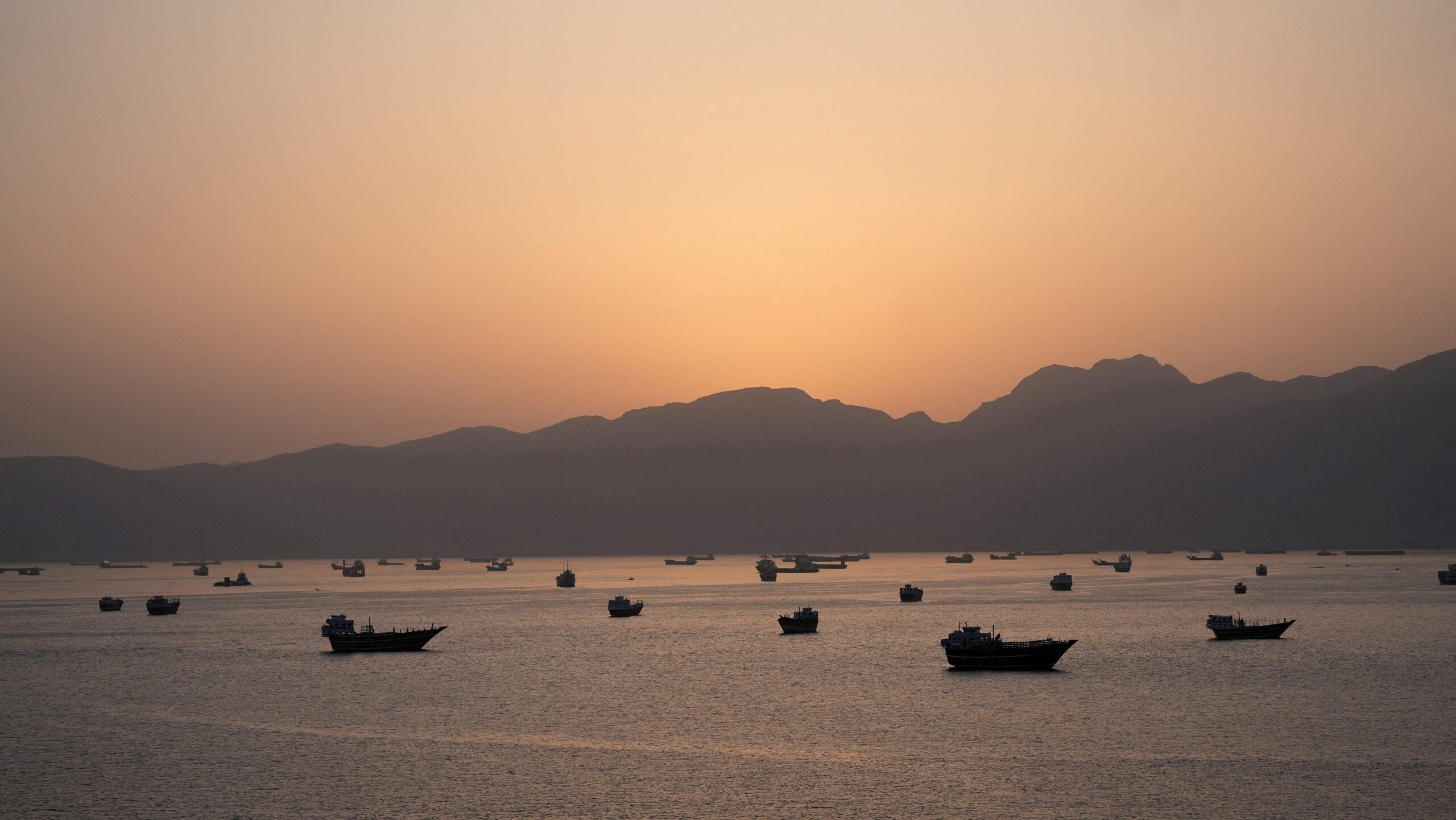
Oil tankers eye floating storage as shipments from Persian Gulf at near standstill in International Shipping News 06/03/2026 Oil tanker companies are exploring opportunities to store refined products in the Persian Gulf to ensure cash flow at a time when they are facing challenges loading and moving out of the region, several market participants said. “It’s a commercial decision, as there is nothing [else] to do right now,” a senior executive of a global oil tankers’ company that regularly loads cargoes of refined products from the Persian Gulf said. Deals are being considered on a dollars per day basis because dozens of Long Range and Medium Range tankers are stuck in the Persian Gulf, a clean oil tankers broker said. Before the Iran-US war broke out over the weekend, Long Range II and I tankers on the benchmark Persian Gulf-North Asia routes were daily earning close to $45,000/day and $38,000/day on a round voyage basis, respectively, according to the estimates of brokers. The earnings are now notionally more than double these values at over $100,000/day, but brokers, owners and charterers in the UAE, Singapore, Seoul and Tokyo said that finalizing and executing a deal is next to impossible in the current geopolitical scenario. Even if a smaller fraction of these notional earnings can be generated by floating storage, it will help cover capital and operational expenses, the sources said. The entire Middle Eastern oil supply chain has been affected because there is hardly any movement of oil exports through the Strait of Hormuz, a globally vital waterway that daily caters to 20% of the global supply of oil and LNG. Tankers for loading most of these oil products are chartered around one to three weeks in advance. Ships that were hired in mid-February were positioning themselves in various ports in the Persian Gulf on the previous weekend, when the conflict broke out. Now, they are stuck in the region without cargoes, and market participants said temporary storage of refined products, until the situation improves, is their best bet. Provided they are in the Persian Gulf, the storage play to pass the time is an option for tankers until the lanes remain closed, a chartering executive with a global commodities trading company said. The Middle East countries export a combined total of more than 50 million tons of naphtha to North and Southeast Asia and around 25 million tons of gasoil annually to Europe, according to the S&P Global Commodities at Sea(opens in a new tab) data. All these shipments, along with jet fuel to Europe, are now in jeopardy, and there is a serious danger of tankers remaining idle for several days, or even weeks, amid conflict and lack of insurance cover. A monthly average of more than 100 LR1s and LR2s each, load for long haul voyages in the Persian Gulf and West Coast India combined, or a total of around half a dozen LR1s and LR2s daily, according to the estimates of brokers. In a business, where a Cosco-controlled LR1 coming from Hastings, Australia had taken a cargo last month for loading in Duqm, Oman, to slash the ballast leg and reduce the idle time before the next voyage to zero, staring at lack of employment, or laden voyages for days together, implies significant foregoing of earnings. Trading companies also want to hold on to their cargoes, rather than declaring force majeure, as a knee-jerk reaction and are therefore considering floating storage. “No major floating storage deal has been done so far, though m
Oil tankers eye floating storage as shipments from Persian Gulf at near standstill
Hellenic Shipping News
Read full article at Hellenic Shipping News →
Opens Hellenic Shipping News in a new tab