pi_circular Operational riskCompliance & regulation West of England
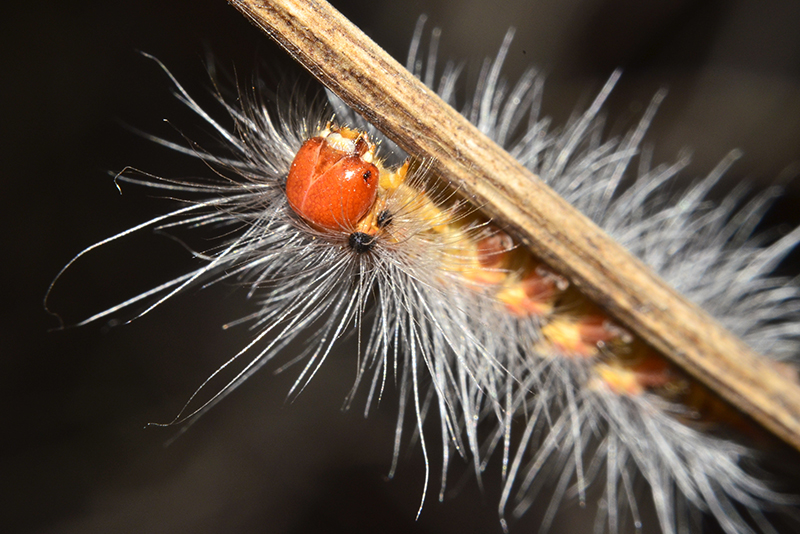
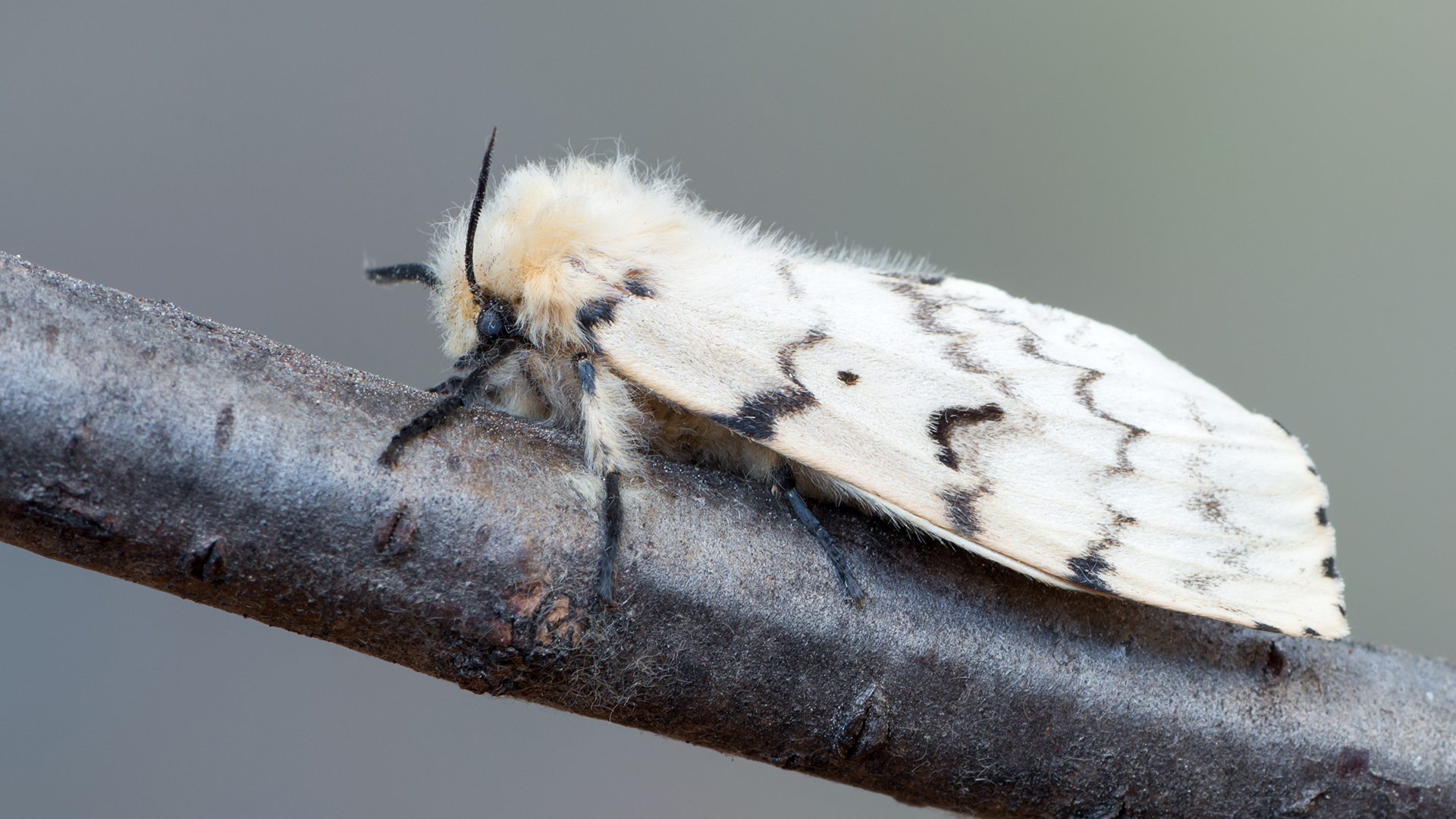
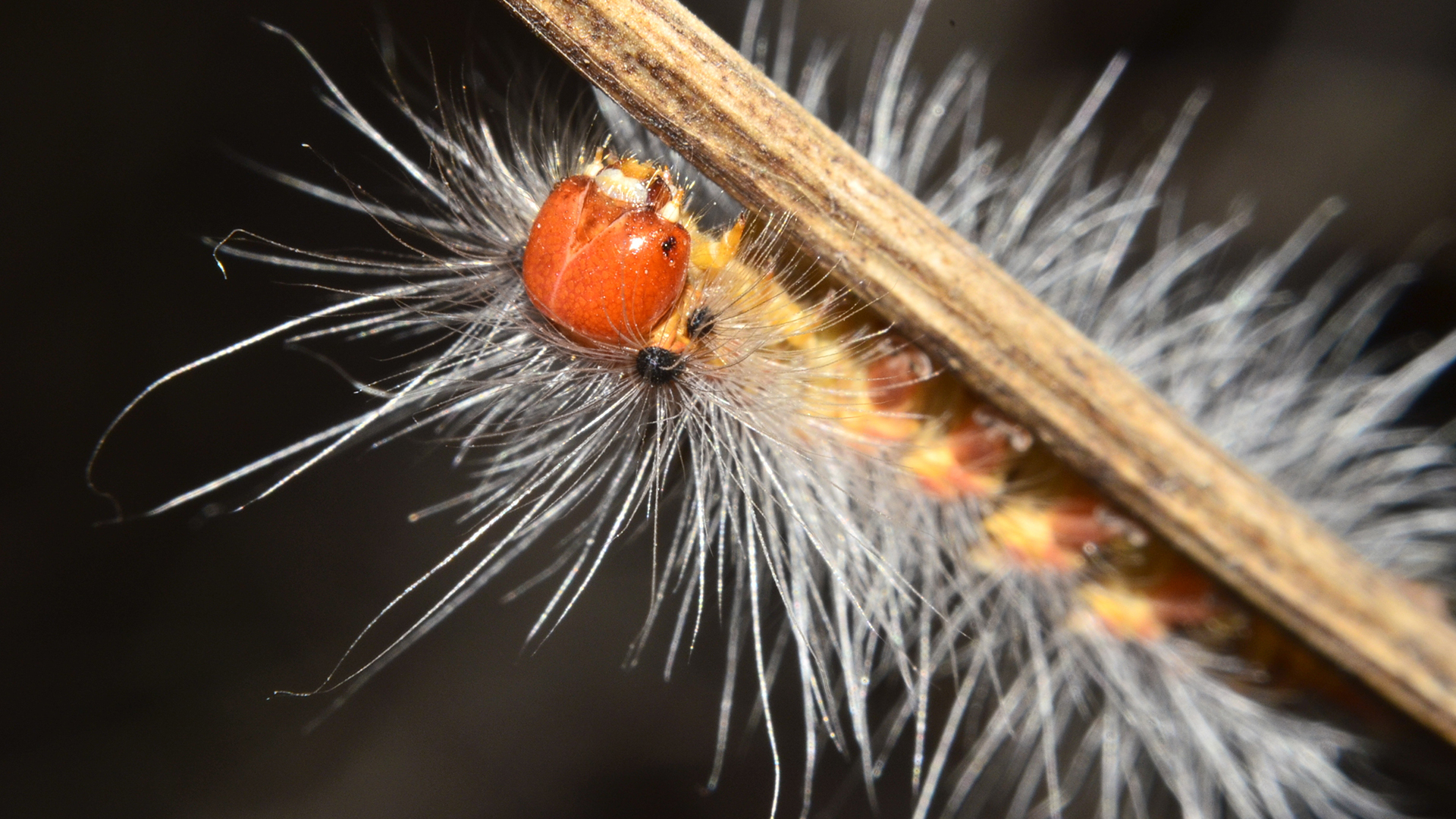
Loss Prevention 06 Jul, 2022 Asian Gypsy Moth 2022 Emma Forbes-Gearey Loss Prevention Officer Due to the Asian Gypsy Moth’s destructive nature, particularly in countries where the pest is not indigenous, the following countries have specific procedures in place to prevent AGM from entering their fragile eco system: Argentina Australia Canada Chile New Zealand United States Details can be found below. Download PDF Introduction The Asian Gypsy Moth (“AGM”, including Lymantria dispar asiatica, Lymantria dispar japonica, Lymantria albescens, Lymantria umbrosa, Lymantria postalba) is a highly destructive forest pest that feeds on both deciduous and coniferous trees. The voracious appetite of AGM larvae (caterpillars) coupled with the ability of the female moth to travel significant distances (as much as 20 nautical miles) can cause widespread defoliation leaving trees weakened and susceptible to disease and other pests. AGM is found primarily in Asia or Russia with a high risk of AGM egg infestation of vessels calling at ports in Korea, Northern China (north of Shanghai; ports north of latitude 31˚15’N), and in particular the Russian Far East and Japan during the flight season of the female moth. AGM Flight Season The main concern to countries attempting to prevent the introduction of the AGM are vessels that have called at ports in an AGM High Risk Area during the “flight season”. The specific timing of the “flight season” differs from country to country: Argentina Asian Gypsy Moth Endemic Area (For ports located between 60°N and 20°N) Female Flight Season Russian Far East (Zarubino, Vostochny, Nakhodka, Vladivostok, Kozmino, Slavyanka, Nevelsk, Kholmsk, Korsakov, Vanino, Petropavlovsk- Kamchatskiy) 15 July to 25 September China (All Ports north of 20°N, including Yangpu (19 43’N) and Macun (19 58’N) ports located on Hainan Island) 1 June to 30 September Korea (Ulsan, Pohang, Mokpo, Yeosu, Gunsan, Gwangyang, Hadong, Samcheonpo, Boryeong, Daesan,
Asian Gypsy Moth 2022
West of England
Read full article at West of England →
Opens West of England in a new tab