pi_circular Operational riskSafety & casualty Skuld
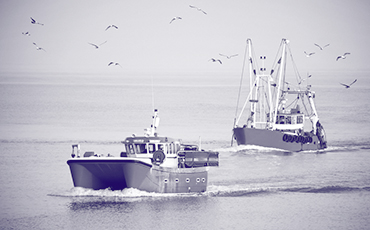
Credit to: Shutterstock.com Training to be a ship's Master is no easy feat and it is a pinnacle only a few joining sea as deck officers succeed in reaching. In today's day and age, the title of Master and the responsibility of commanding a vessel greets a newly qualified officer in a shipping environment which is not only legislation and regulation heavy but also where news of criminalisation of seafarers and piracy regularly make headlines in industry media. Training framework and challenges A lot of effort has been made over the years to bridge the gap between the shortage of quality crew and officers and those entering the challenging profession of seafaring. During their training over the years, junior officers are exposed to the challenges and tasks which prepares them to successfully take over command of a vessel, a responsibility not to be taken lightly. The requirements are varied and it is crucial that officers are trained not only in the mandatory STCW standards but they also have the necessary experience handling complex scenarios and high-pressure situations. The absolute minimum standards for an officer to qualify as a Master of a foreign going vessel are set out in STCW convention. The convention lays out the framework of progressive training of officers to gain competence and practical experience as they strive to go up the ranks to eventually take command of a vessel. ISM Code also provides guidance on training of seafarers by setting out a benchmark and level of competency seafarers are expected to meet when taking command of a vessel and implementing the ISM Code's principles onboard the vessel. After all, the Master is the vessel owner's eyes and ears onboard the ship and will be in a decision-making position, often in high pressure and stressful situations. Important skills such as ship handling, navigation and cargo documentation are taught extensively and usually practised by aspiring Masters onboard the ship. However, 'soft' skills such as eff
Training for the Master’s role - reflections and recommendations
Skuld
Read full article at Skuld →
Opens Skuld in a new tab